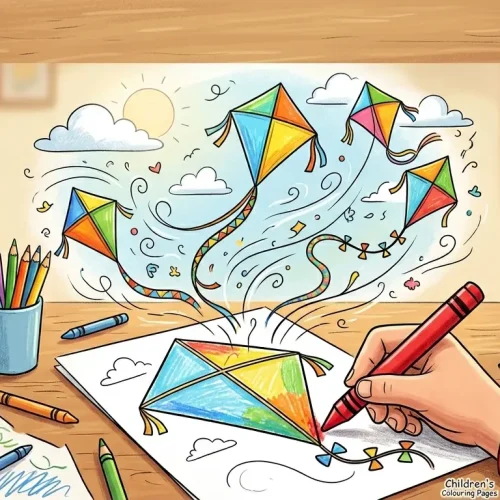
When life feels overwhelming, sometimes the simplest activities can help us decompress. Picking up colouring pages and filling them in with colors is one of those surprisingly calming pastimes. Adults and kids alike have discovered that sitting down with crayons or markers can help shift focus, slow racing thoughts, and provide a small but meaningful sense of accomplishment. It’s a quiet, meditative space that allows the mind to rest without requiring complicated steps or a structured routine.
Table of Contents
Is coloring good for stress relief
The question of whether Is coloring good for stress relief has been explored more seriously in recent years, especially as adult coloring books have surged in popularity. Unlike typical hobbies that require extensive planning or skill, coloring allows the mind to enter a state of flow. Focused attention on choosing colors, staying within lines, and creating a finished piece promotes mindfulness a mental state often associated with lower stress and anxiety levels.
Research suggests that coloring can lower cortisol levels and even improve mood temporarily, making it a useful tool in the repertoire of stress relief activities. It’s often compared to meditation or deep breathing exercises in terms of calming benefits, particularly for adults who find themselves juggling multiple responsibilities.
Why people turn to coloring for mental relaxation
Coloring is accessible. You don’t need specialized skills, and you can adjust the complexity to fit your mood. From simple mandalas to detailed landscapes, the options cater to every preference. People drawn to basic coloring pages often start small, using familiar patterns to ease into a routine of mindful coloring.
This accessibility is why mindfulness coloring has become a part of mental health routines. It provides a distraction from stressful thoughts and focuses attention on something creative and tangible. In a world filled with screens and notifications, that tactile engagement is surprisingly refreshing.
| Benefits of Mindful Coloring | Explanation |
|---|---|
| Reduces anxiety | Attention shifts to color and form |
| Encourages flow | Engages the brain in low-pressure focus |
| Improves mood | Sense of accomplishment releases dopamine |
| Enhances mindfulness | Promotes awareness of the present moment |
How coloring can help adults and children
While adults often enjoy coloring for relaxation, children benefit from it in different ways. Adult coloring pages have intricate patterns to engage adults’ attention, whereas simpler designs suit children and help them develop motor skills alongside calming effects. Coloring creates a gentle, structured task that can reduce overstimulation and provide a break from external stressors.
Beyond relaxation, coloring encourages reflection. Choosing colors, adjusting pressure, and planning the placement of shades allows both kids and adults to explore emotions nonverbally. This makes it one of the few activities that blend creativity with mental well-being.
Choosing the right type of coloring activity
Not every coloring activity produces the same stress relief. Some designs, particularly complex mandalas or abstract art, are suited for adults who want a meditative experience. Others, like cartoon coloring pages, are lighter and fun, appealing to people looking for a low-stress diversion.
| Coloring Type | Stress Relief Impact |
|---|---|
| Simple shapes | Quick, accessible focus |
| Mandalas | Deeply meditative |
| Nature scenes | Encourages reflection and calm |
| Cartoon themes | Lighthearted, boosts mood |
Experimenting with different types allows people to find what fits their mental state at any given time. For someone dealing with mild anxiety, cartoon-themed pages might work best, while complex patterns may appeal during moments of deep reflection.
Tools and materials for effective coloring
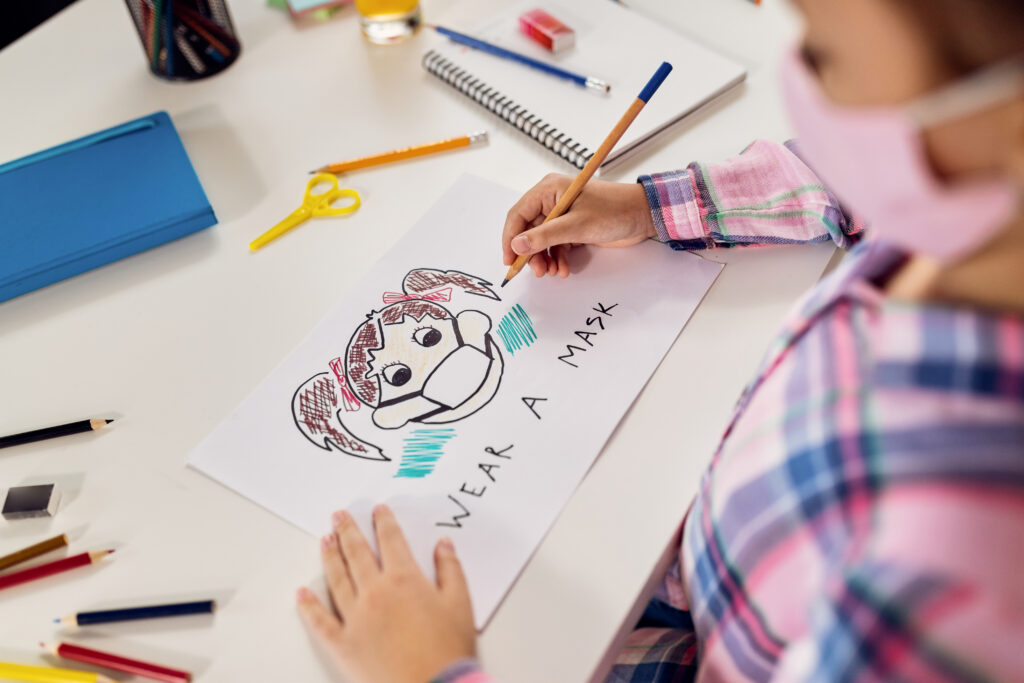
The medium you use can influence the experience. Crayons, colored pencils, markers, or even gel pens each provide unique sensory feedback. A soft pencil stroke can feel soothing, while bold markers create vibrant energy.
| Tool | Experience |
|---|---|
| Crayons | Soft, nostalgic, calming |
| Colored pencils | Precise, controlled, good for mindfulness |
| Markers | Bold, expressive, energizing |
| Gel pens | Smooth, playful, tactile satisfaction |
Selecting materials aligns with personal preferences and can enhance the calming effects. Choosing tools that feel enjoyable in hand is part of creative relaxation, making the activity more than just a visual experience.
Timing and setting for coloring as therapy
Stress relief is often about creating a small ritual. Finding a quiet corner, limiting distractions, and setting aside 20-30 minutes for coloring for stress relief can transform a mundane day into a restorative session.
Lighting matters, too. Natural daylight can make colors appear more vivid and support alertness, while a soft lamp may enhance a cozy, meditative mood. Even background music can influence the experience, whether it’s classical music, soft jazz, or nature sounds.
Psychological and physiological effects of coloring
Coloring can impact both mind and body. On a physiological level, studies show that low-level creative activity can reduce heart rate and blood pressure, helping the body relax. Psychologically, the act of choosing colors, filling shapes, and completing a design encourages focus and provides a sense of accomplishment.
| Effect | Mechanism |
|---|---|
| Reduced stress | Focus on task diverts attention from worries |
| Enhanced mood | Completion of task triggers dopamine release |
| Mindful awareness | Concentration on present moment |
| Improved focus | Engages cognitive planning and attention |
These benefits explain why many therapists incorporate coloring therapy into mental health practices and self-care routines.
Coloring as a mindfulness exercise
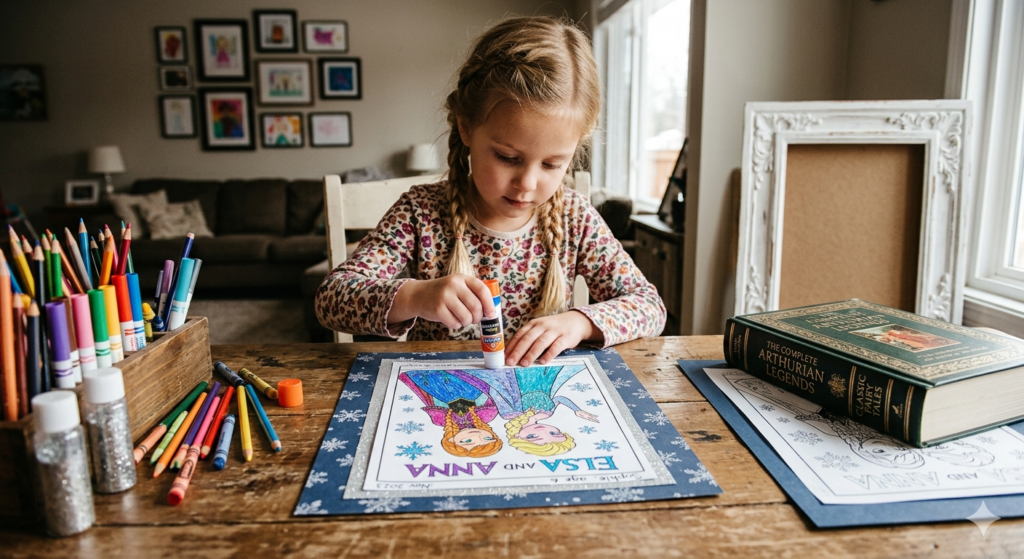
Mindfulness doesn’t require meditation cushions or long breathing exercises. Picking up a pencil and focusing on colors and patterns qualifies. Mindfulness coloring helps break the cycle of repetitive, anxious thoughts by grounding the mind in the present.
This approach can be particularly effective for adults dealing with daily stress. By engaging in a calm, repetitive activity, individuals can create small windows of relief and reflection in otherwise hectic schedules.
Integrating coloring into everyday stress management
Coloring doesn’t need to be a formal activity. Keeping basic coloring pages handy on a desk or in a bag allows for quick sessions during breaks. Even 10-15 minutes can reduce tension and reset mental focus.
Pairing coloring with other relaxation activities like light stretching or mindful breathing enhances the benefits. Over time, these short practices can accumulate, providing a noticeable improvement in overall stress management.
Coloring and creative expression
The act of coloring offers more than stress relief it provides a safe space for creative expression. People can experiment with unexpected color combinations, imaginative themes, or unique patterns without fear of judgment.
| Creative Benefit | Stress Relief Impact |
|---|---|
| Color experimentation | Enhances emotional expression |
| Free-form drawing | Encourages mental freedom |
| Pattern design | Engages focus and planning |
This type of art therapy coloring allows people to express emotions indirectly, which can be particularly helpful for those who struggle with verbalizing feelings.
Scientific perspective on coloring for stress
Several studies support the calming effects of coloring. Research indicates that coloring intricate patterns engages the brain in a similar way to meditation. It reduces amygdala activity, which is associated with stress and anxiety responses.
While coloring isn’t a substitute for clinical therapy, it complements other mental health activities. It provides a safe, low-stakes avenue for focusing attention and practicing calm.
Using coloring for targeted stress relief
Certain designs and themes can be tailored for specific stressors. Mandalas and repetitive geometric shapes encourage rhythm and focus, while natural scenes may promote reflection and relaxation. Calming activities like these work best when paired with quiet time, without distractions like phones or emails.
Coloring as part of a holistic approach
Coloring is one component of a broader approach to stress management. Combining coloring for stress relief with other practices exercise, journaling, meditation amplifies the effects. The tactile, visual, and creative aspects of coloring add a dimension that other stress-relief activities may not provide.
Digital versus physical coloring
Digital coloring apps have gained popularity, offering convenience and easy access to adult coloring pages. However, physical coloring with pencils or markers provides tactile feedback and sensory engagement that apps can’t fully replicate. Both options have merit, and personal preference usually dictates the choice.
How to maintain the habit of coloring
Creating a consistent routine is key. Some strategies include:
- Setting aside a specific time each day
- Keeping coloring tools accessible
- Pairing coloring with other rituals like tea or soft music
Consistency transforms coloring from a sporadic pastime into a creative relaxation routine that supports long-term stress relief.
Children, adults, and coloring
While much of the adult coloring trend gets attention, children also benefit from these activities. Coloring can help young minds slow down, focus, and regulate emotions. It’s one of the stress relief activities that suits all ages and can be adapted in complexity to match developmental stages.
Common myths about coloring for stress relief
Some believe coloring is only for children or that it’s a trivial activity. In reality, the structured yet creative nature of coloring makes it effective for mindfulness coloring and calming the mind. The key is approach taking it seriously as a mental reset rather than a rushed task.
Conclusion: the role of coloring in stress management
So, is coloring truly effective? Evidence from both scientific studies and personal experience supports the idea that Is coloring good for stress relief. It engages the mind, encourages mindfulness, and provides a creative outlet.
Whether you choose intricate cartoon coloring pages or simple patterns, taking time to color can be a valuable part of a mental health toolkit. The beauty of coloring lies in its simplicity accessible, flexible, and capable of offering moments of calm in an otherwise hectic day.
It’s a small action that can make a measurable difference, proving that sometimes, the simplest activities are the ones that help us most.