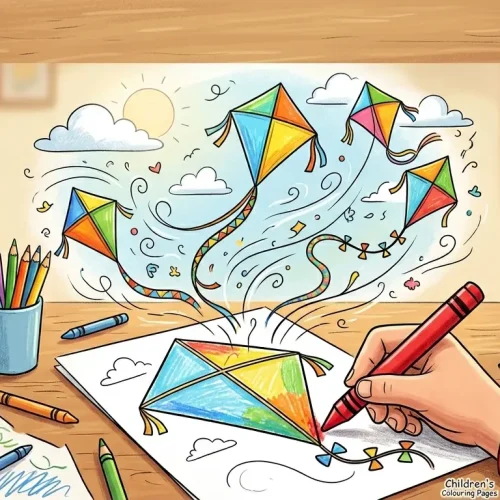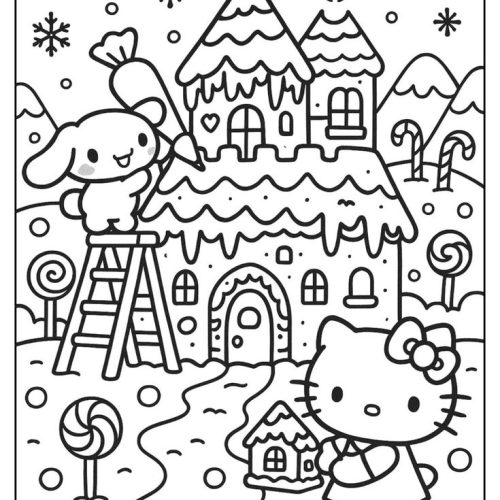
When you watch a child sitting with a crayon in hand, filling in a simple outline on All colouring pages, it may seem like just fun and play. But in reality, these little strokes are doing a lot more than keeping them busy. Coloring helps kids refine tiny muscles in their hands, fingers, and wrists. It also encourages hand-eye coordination, patience, and concentration skills that are essential for daily life and later learning. Learn How do coloring improve fine motor skills? Lets explore..

Coloring isn’t just about staying within the lines; it’s about training small muscles to work in sync. And when we talk about fine motor skills activities, coloring is one of the simplest, most effective tools.
Table of Contents
Does Coloring improve fine motor skills?
So, how exactly does coloring improve fine motor skills? Fine motor skills are the coordination of small muscles, usually in the hands and fingers, with the eyes. These skills are vital for tasks like writing, buttoning clothes, or using utensils.
Coloring pages help children practice controlled movements. Picking up crayons, choosing colors, and filling shapes requires precise finger movements. Over time, these repeated motions strengthen hand muscles and improve dexterity.
Table: Key Fine Motor Benefits of Coloring
| Skill Developed | How Coloring Helps | Related Activities |
|---|---|---|
| Grip Strength | Holding crayons or pencils strengthens small hand muscles | Crayon coloring, painting with brushes |
| Hand-Eye Coordination | Following shapes and staying within lines improves eye-hand synchronization | Basic coloring pages, dot-to-dot coloring |
| Precision & Control | Moving crayons carefully trains steadiness and control | Cartoon coloring pages, intricate designs |
| Dexterity | Switching colors and manipulating small areas improves flexibility | Patterned or mandala coloring pages |
It’s not just about drawing; every action involved in coloring contributes to motor skills development in children.
How basic coloring pages build foundational skills
Starting with basic coloring pages is ideal for younger children. Large, simple shapes let toddlers practice controlling hand movements without feeling overwhelmed.
As kids fill in these shapes, they practice maintaining consistent pressure on crayons, which improves grip strength activities. Even basic coloring can encourage proper pencil grip, a key step before learning to write letters.
The repetition of moving a crayon back and forth, turning the page, and switching colors helps build hand-eye coordination, which is essential in almost every daily activity.
Early childhood development and coloring
In early childhood, small motor skills are just as important as cognitive development. Coloring provides a natural way to integrate learning and movement.
Activities like tracing, coloring within the lines, or connecting dots on pages encourage kids to plan their actions, anticipate movement, and stay focused. These skills form a foundation for more complex tasks like cutting shapes with scissors or threading beads. Preschool activities often include coloring as a staple because of its role in both kids development activities and creativity.
How cartoon coloring pages enhance motor skills
Moving beyond basic shapes, cartoon coloring pages introduce more intricate designs. Small details demand finer control and steadier hands.
Cartoon images with patterns, small eyes, or detailed hair teach children to make precise movements. This gradual increase in complexity helps them refine fine motor skills activities without feeling frustrated.
At this stage, coloring also introduces problem-solving skills choosing colors, planning which section to fill first, and coordinating both hands when needed.
Grip strength and pencil control
One of the subtle but crucial ways coloring improves fine motor skills is by strengthening the muscles needed for writing.
Holding crayons properly engages the thumb, forefinger, and middle finger. Repeated practice increases endurance and precision. Over time, children develop a natural grip that supports neat handwriting, drawing, and other everyday tasks.
Art activities for kids like painting or using colored pencils complement these exercises, further improving toddler learning activities.
Enhancing hand-eye coordination
Hand-eye coordination is central to many skills children will use throughout life. Coloring exercises this by requiring the eyes to guide hand movements carefully.
Activities such as following outlines, staying within boundaries, or even creating patterns help children synchronize their visual input with motor responses. Over time, this improves reaction time and accuracy in various tasks, from playing sports to writing.
This is why experts emphasise how coloring helps improve hand eye coordination in kids. The repetitive, focused motions create strong neural pathways that enhance coordination.
Cognitive benefits of coloring
While the focus here is on motor skills, coloring also engages the brain. Planning which colors to use, deciding what areas to fill first, and mixing colors in creative ways exercises memory, attention, and decision-making.
Early experiences like this contribute to early childhood development and lay the groundwork for problem-solving skills.
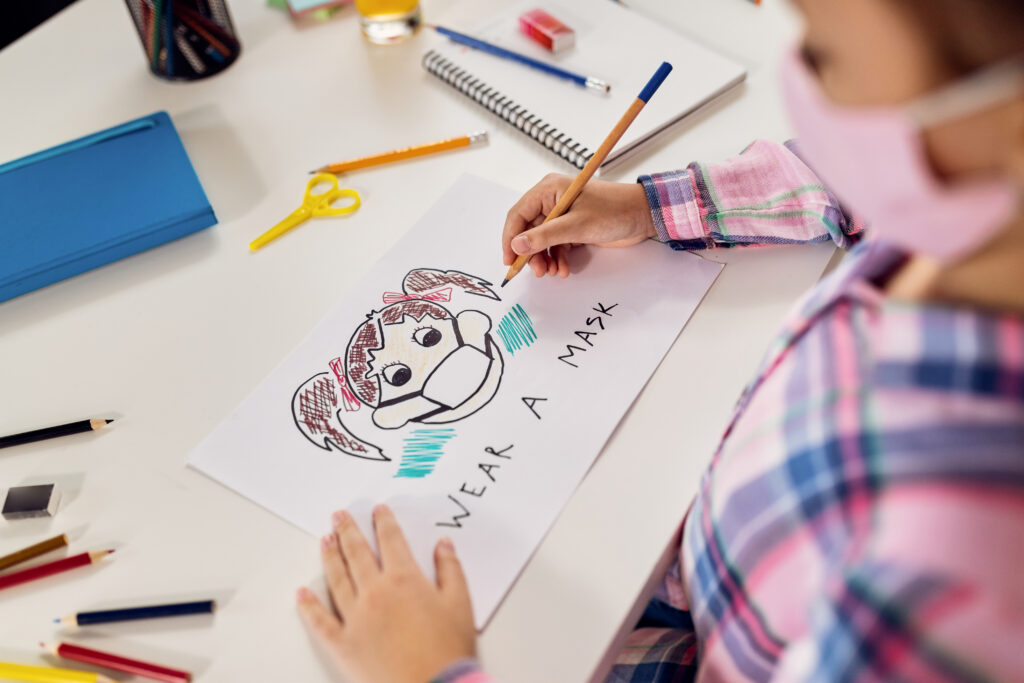
Social and emotional aspects
Coloring can be a collaborative activity. Children often share crayons, discuss color choices, or work on a group project. These moments foster social interaction while still training fine motor abilities.
Patience, perseverance, and the satisfaction of completing a page can also boost confidence. Engaging in creative activities for children builds emotional resilience alongside physical skills.
Integrating coloring with other fine motor activities
Coloring pairs well with other exercises for complete motor development. For instance:
| Activity | Motor Skills Focus |
|---|---|
| Play-Doh molding | Finger strength and dexterity |
| Bead threading | Hand-eye coordination, precision |
| Scissor cutting | Bilateral coordination, control |
| Stickers and stamps | Finger isolation and placement accuracy |
By combining coloring with these exercises, parents and educators provide a holistic approach to kids development activities.
Using coloring tools effectively
Different coloring materials can further enhance motor skills. Crayons are excellent for beginners because they are easy to hold and manipulate. Colored pencils offer more precision for older children, encouraging finer control.
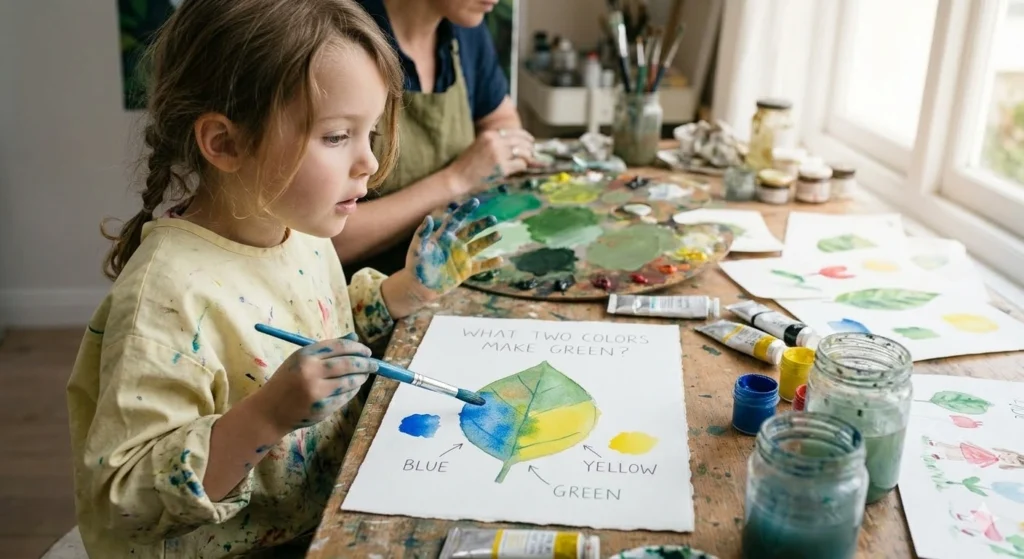
Markers allow for bolder strokes and smooth motion, while gel pens can improve dexterity with their unique resistance. Even watercolor paints require careful brush control, engaging both hand muscles and coordination.
How coloring improve fine motor skills is partially dependent on providing the right tools and age-appropriate challenges.
Frequency and duration for best results
Consistency matters more than length of time. Short, frequent coloring sessions can be more effective than long, sporadic ones.
- 10–15 minutes daily can improve dexterity in toddlers.
- 20–30 minutes for preschoolers and older kids helps refine coordination and grip.
Balancing fun and challenge ensures that coloring remains enjoyable while enhancing motor skills development.
Tracking progress with coloring
One practical way to see improvement is by observing changes in precision, steadiness, and control over time. For example:
- Can the child stay within lines more consistently?
- Can they switch colors without smudging?
- Are their strokes more confident and deliberate?
These indicators reflect growth in fine motor skills activities as well as cognitive engagement.
Coloring as a foundation for handwriting
A strong connection exists between coloring and writing. Both require controlled hand movements, proper grip, and hand-eye coordination. Regular coloring prepares children for letter formation, spacing, and overall legibility in writing tasks.
Many educators use coloring alongside preschool activities to ensure kids develop these essential foundational skills.
Fun learning through themed coloring
Themed or educational coloring pages like animals, numbers, or letters combine fine motor skill practice with cognitive learning.
| Theme | Skills Practiced |
|---|---|
| Alphabet coloring | Letter recognition, precision |
| Number coloring | Counting, pattern following |
| Animal scenes | Color differentiation, patience |
These coloring pages for kids provide multiple learning layers, making them highly effective for overall development.
Encouraging creativity while developing motor skills
Children don’t just improve dexterity they also explore creativity. Choosing colors, experimenting with shading, and even making up stories about their drawings exercise imagination.
Balancing structured coloring with free-form coloring helps reinforce kids development activities in a holistic way.
Role of parents and teachers
Support and guidance enhance the benefits of coloring. Encouragement, positive feedback, and shared activities create a supportive environment. Observing how children approach challenges in coloring can reveal their hand-eye coordination and perseverance levels.
Simple steps like providing diverse art activities for kids and encouraging independent coloring reinforce fine motor development.
Making coloring a lifelong habit
Coloring doesn’t have to end in early childhood. Engaging in art as kids grow continues to support motor control, precision, and creative problem-solving. Even adults benefit from coloring as a form of stress relief, but for children, it remains a key method for fine motor skill development.
Conclusion
So, how coloring improve fine motor skills becomes clear when you look closely. It’s not just play—it’s practice, training, and development all wrapped into a fun activity. From holding crayons to choosing colors and following patterns, every motion contributes to motor skills development, hand-eye coordination, and future abilities like writing.
Starting with basic coloring pages, advancing to cartoon coloring pages, and offering a variety of coloring tools ensures children develop a strong foundation. Regular practice, paired with encouragement and varied activities, creates confident, capable kids ready for both learning and creativity. Coloring truly is one of the simplest, most enjoyable ways to nurture essential skills while letting children explore their imagination.