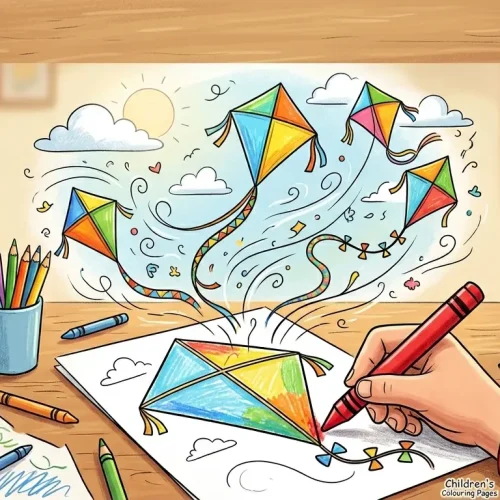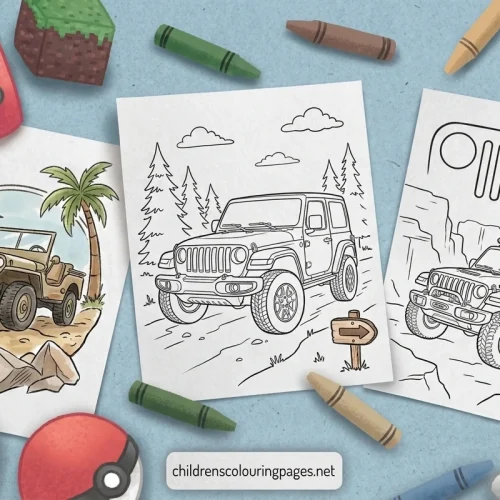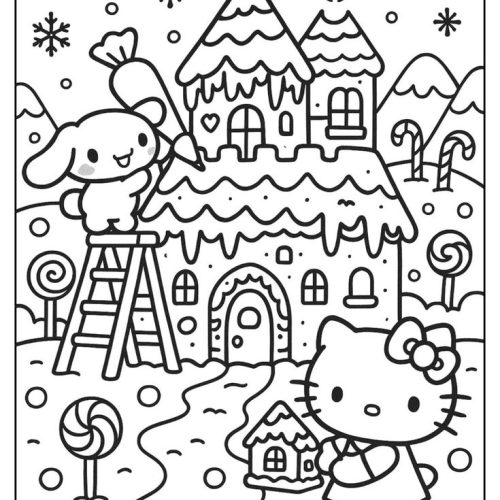
Coloring starts off simple. A page, a few shapes, maybe a box of colors lying around. But after a while, people notice that not all tools feel the same. Some glide smoothly, others feel scratchy, and a few end up ruining the paper. That’s usually when the question comes up what actually works best.
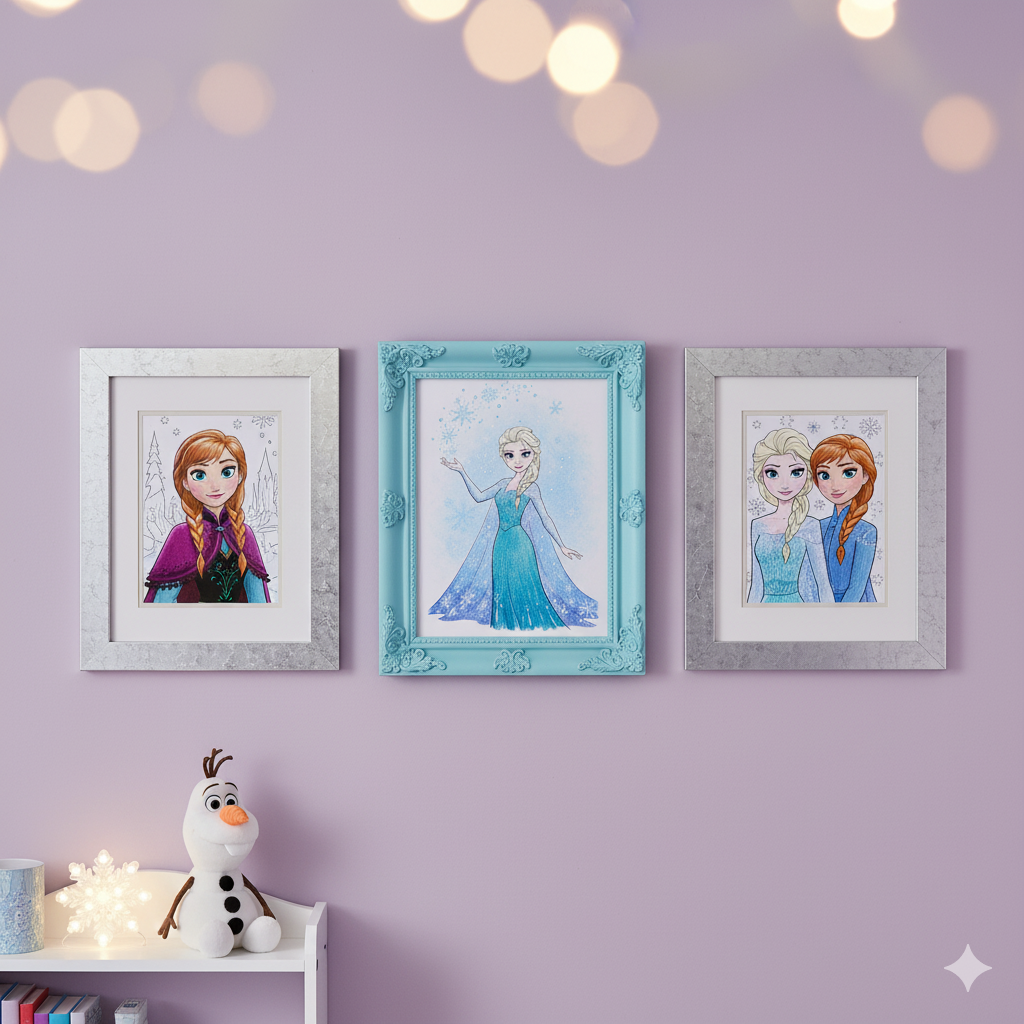
If you’ve spent time with colouring pages, you’ve probably seen how different materials change the whole experience. The same page can look soft and blended with one tool, or bold and messy with another. It’s not just about color it’s about how the material behaves on paper.
Table of Contents
What materials are best for coloring pages
When people ask What materials are best for coloring pages, they’re really asking what gives the right balance between control, color quality, and ease of use. There isn’t a single answer that fits everyone. It depends on age, skill level, and even the type of paper being used.
For beginners, especially kids, simple tools like crayons work well. For older children or adults, colored pencils or markers might feel more satisfying. The texture, grip, and pigment all play a role in how comfortable the process feels.
Even with something as simple as basic coloring pages, the choice of tool can affect the outcome. Thick outlines may suit crayons, while detailed patterns often work better with fine-tip tools.
Here’s a quick comparison to set the ground:
| Material | Best For | Difficulty Level |
|---|---|---|
| Crayons | Young kids, bold coloring | Easy |
| Colored pencils | Detail work, shading | Medium |
| Markers | Bright, vibrant pages | Easy–Medium |
| Gel pens | Decorative designs | Medium |
| Watercolor paints | Artistic blending | Medium–Hard |
The choice often comes down to comfort and the kind of finish someone wants.
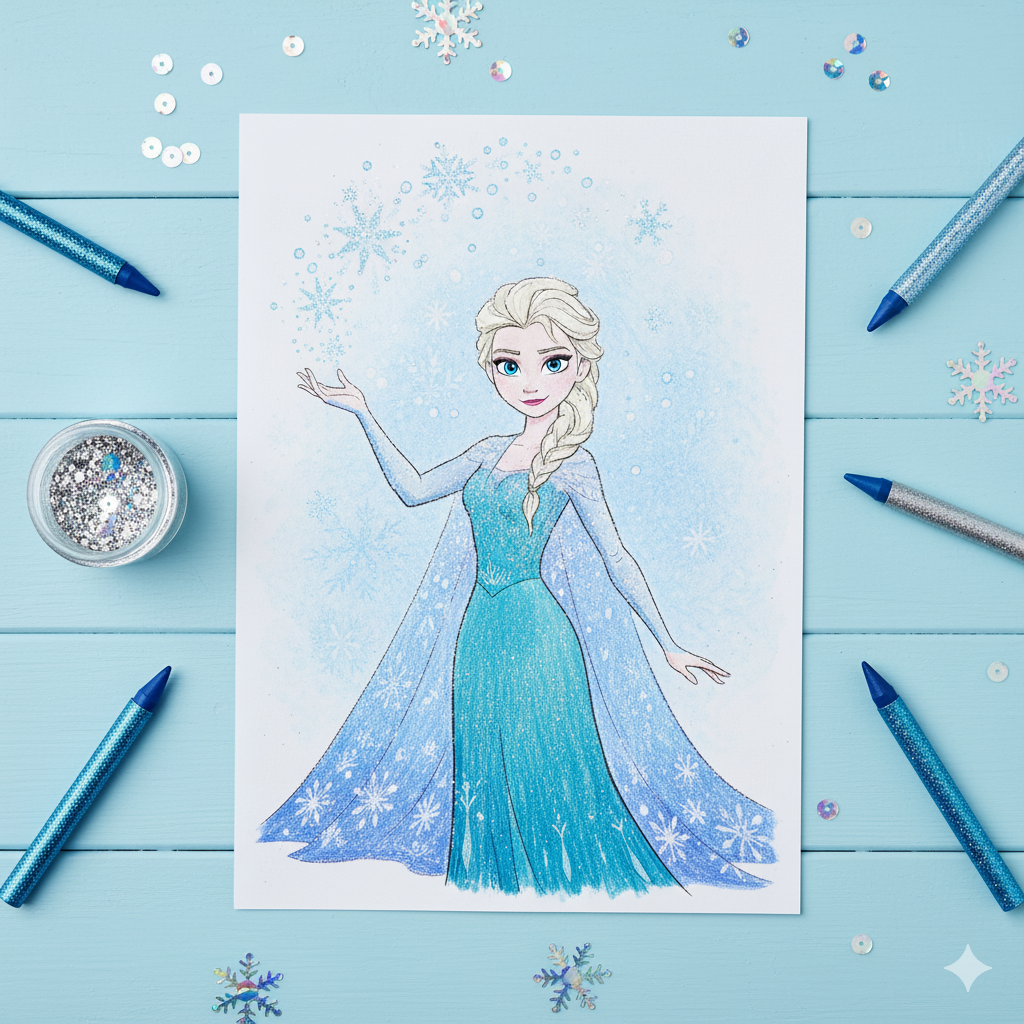
Why the choice of coloring materials matters
It’s easy to overlook materials and just pick whatever is available. But the difference shows up quickly. Some tools tear paper, others bleed through, and a few don’t leave enough color.
Good coloring materials don’t just make things look better they make the process smoother. Kids stay engaged longer when tools feel easy to use. Adults tend to enjoy the process more when they can control shading and blending.
There’s also a learning aspect. Using different drawing materials teaches control, pressure handling, and even patience.
Crayons: simple but still relevant
Crayons are usually the first thing people think of. They’re easy to hold, don’t require precision, and rarely cause frustration.
For young children, crayons for coloring remain one of the most reliable options. They allow freedom without worrying about mistakes. Press harder, press lighter it still works.
Here’s how crayons compare:
| Feature | Crayons |
|---|---|
| Grip | Easy for small hands |
| Color intensity | Medium |
| Mess level | Low |
| Precision | Low |
They’re not ideal for fine detail, though. That’s where other tools start to make more sense.
Colored pencils and control
At some point, people switch to pencils. The difference is noticeable right away. Lines become sharper, shading becomes possible, and there’s more control over pressure.
Colored pencils work well for both kids growing into more detailed work and adults who enjoy slower, more careful coloring.
A common question comes up here—crayons vs colored pencils for coloring pages which is better. It’s not really about better or worse. Crayons are forgiving and bold. Pencils are precise and controlled.
| Feature | Colored Pencils |
|---|---|
| Precision | High |
| Blending | Good |
| Learning curve | Medium |
| Paper damage risk | Low |
They suit detailed patterns, mandalas, and any design with small spaces.
Markers and bold color choices
Markers bring a different kind of energy. The colors are strong, immediate, and hard to ignore. They fill space quickly, which makes them popular for kids who don’t like slow coloring.
Markers for coloring are often used in school settings because they are fast and vibrant. But they come with trade-offs. Bleeding through paper is a common issue.
| Feature | Markers |
|---|---|
| Color brightness | Very high |
| Speed | Fast |
| Precision | Medium |
| Paper compatibility | Needs thicker paper |
They’re fun, but not always practical for every page.
Gel pens and small details
Gel pens feel different from everything else. They’re smoother, slightly glossy, and often used for decorative touches.
People don’t usually color entire pages with them. Instead, gel pens for coloring are used for highlights, outlines, or adding texture.
They’re especially popular with detailed designs, like cartoon coloring pages, where small accents can change the look of a character.
Watercolor paints and experimentation
Watercolors sit in a different category. They require a bit more care and patience, but they allow blending in a way other tools can’t.
Using watercolor paints on coloring pages depends heavily on the paper quality. Thin paper wrinkles or tears easily.
| Feature | Watercolor Paints |
|---|---|
| Blending ability | Excellent |
| Control | Medium |
| Mess level | Medium |
| Skill requirement | Higher |
They suit people who enjoy experimenting rather than staying inside strict lines.
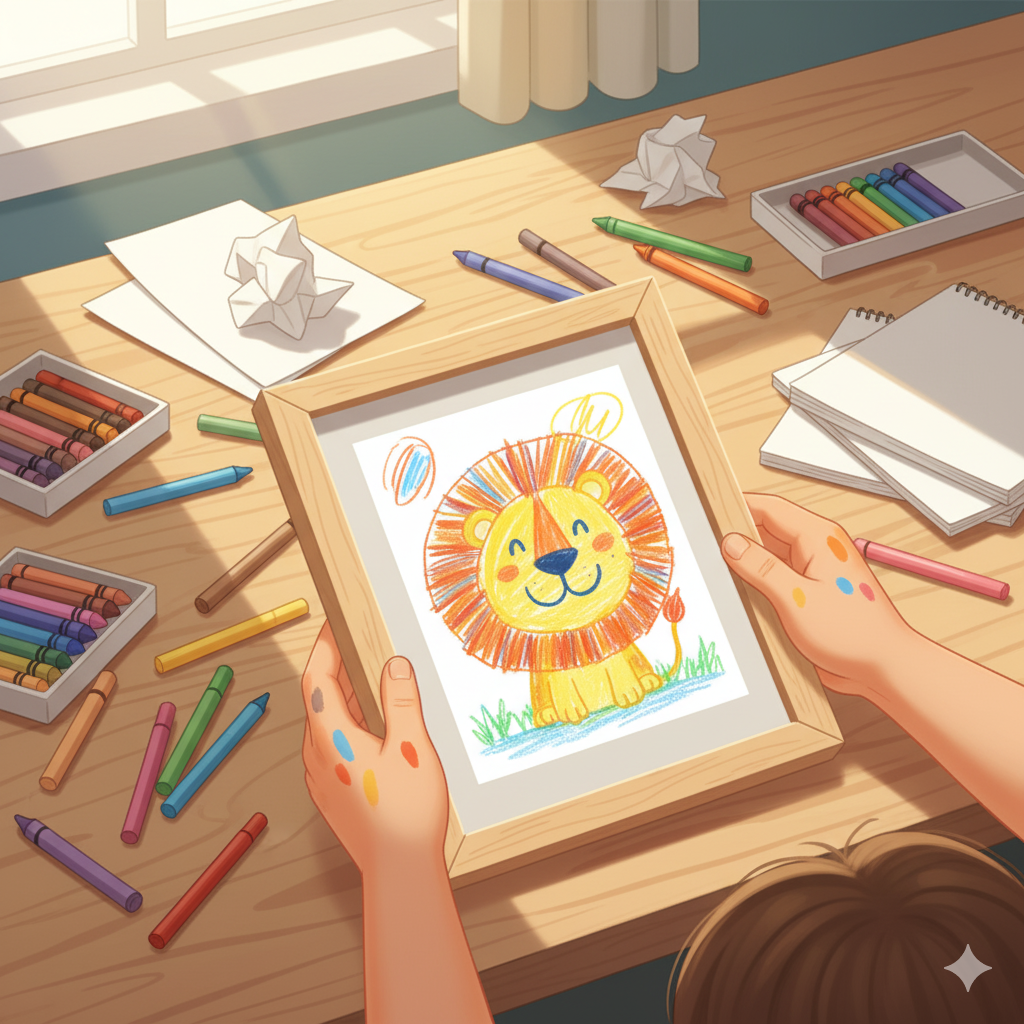
Choosing the right tools for different age groups
Age plays a big role in selecting art supplies for kids. What works for a five-year-old won’t suit a teenager or an adult.
| Age Group | Recommended Tools |
|---|---|
| 3–6 years | Crayons, thick markers |
| 7–10 years | Colored pencils, washable markers |
| 11+ years | Pencils, gel pens, fine markers |
The idea is to match the tool with the level of control the user has.
Paper and material compatibility
People often focus on tools but forget about paper. The same coloring supplies behave differently depending on the surface.
Thin paper struggles with markers and watercolors. Thick paper handles almost everything better.
| Paper Type | Suitable Materials |
|---|---|
| Thin print paper | Crayons, pencils |
| Medium paper | Markers (light use), pencils |
| Thick cardstock | All materials |
Matching paper with tools avoids frustration.
Mixing different coloring tools
Many people don’t stick to one material. Mixing tools often gives better results. For example, using colored pencils for base layers and gel pens for highlights creates depth. Markers can fill large areas quickly, while pencils refine edges. This mix-and-match approach is often part of best coloring tools selection for more advanced users.
Budget vs quality considerations
Not everyone wants to spend a lot on supplies. The good thing is that decent results don’t always require expensive tools.
Basic crayons and mid-range pencils can still produce satisfying results. Expensive tools tend to offer smoother application and better color consistency, but the difference becomes noticeable mainly with experience.
This is why people often search for best materials for coloring pages for kids and beginners—they want something affordable but reliable.
Storage and maintenance of coloring supplies
Keeping tools organized also affects how often they’re used. Broken crayons, dried markers, and lost pencils reduce the enjoyment.
Simple storage like boxes or cases helps maintain coloring materials and keeps everything accessible.
Common mistakes when choosing materials
Some choices lead to frustration more than others. Using markers on thin paper is one of the most common issues. Another is giving detailed pages to young kids with tools that require precision.
Understanding how to choose the right coloring tools for coloring pages comes from trial and error. Over time, preferences become clearer.
The role of personal preference
Even with all these comparisons, personal comfort matters most. Some people enjoy the softness of crayons, others prefer the control of pencils.
There’s no strict rule that defines the best coloring tools. What feels natural often produces the best results.
How materials affect creativity
Different tools lead to different outcomes. Crayons encourage bold choices. Pencils allow careful thinking. Markers push for quick decisions. Switching between materials can change how someone approaches a page. It keeps the process fresh and less repetitive.
Long-term use and skill development
Over time, using a variety of drawing materials improves control and technique. Skills like shading, blending, and pressure control develop naturally.
Children who experiment with different tools often show better adaptability in other creative activities.
Final thoughts on choosing coloring materials
Finding the right tools takes a bit of experimentation. What works for one person might not feel right for another. When thinking about What materials are best for coloring pages, it helps to consider age, comfort, and the type of page being used. Crayons, pencils, markers, gel pens, and even watercolors all have their place.
In the end, the goal isn’t perfection. It’s enjoying the process. The right coloring supplies simply make that process smoother and a bit more satisfying.