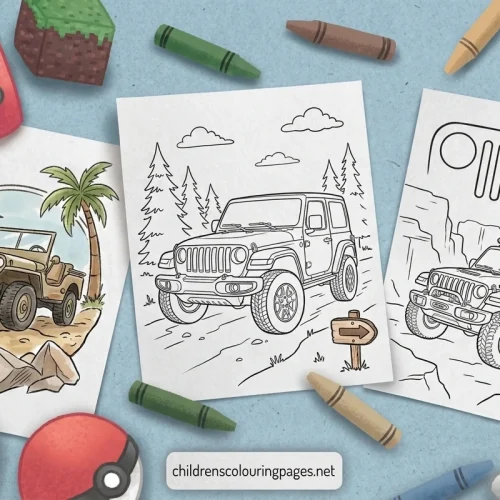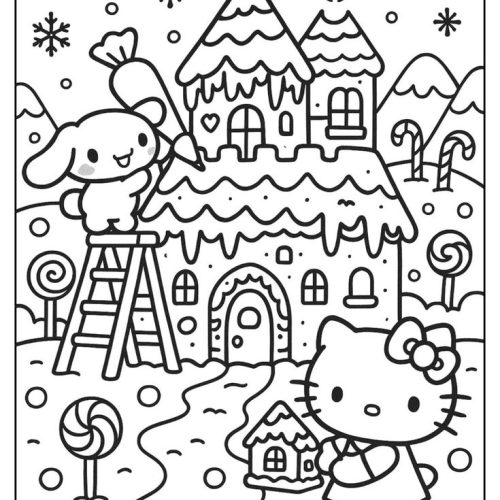
Coloring has long been seen as a simple pastime, but parents and educators know it’s much more than that. From scribbles on colouring pages to carefully shaded scenes, children are engaging in an activity that blends fun with learning. Coloring can help develop fine motor skills, encourage creativity, and even offer emotional relief. Yet, a common question lingers in the minds of caregivers: how much coloring is beneficial for children?
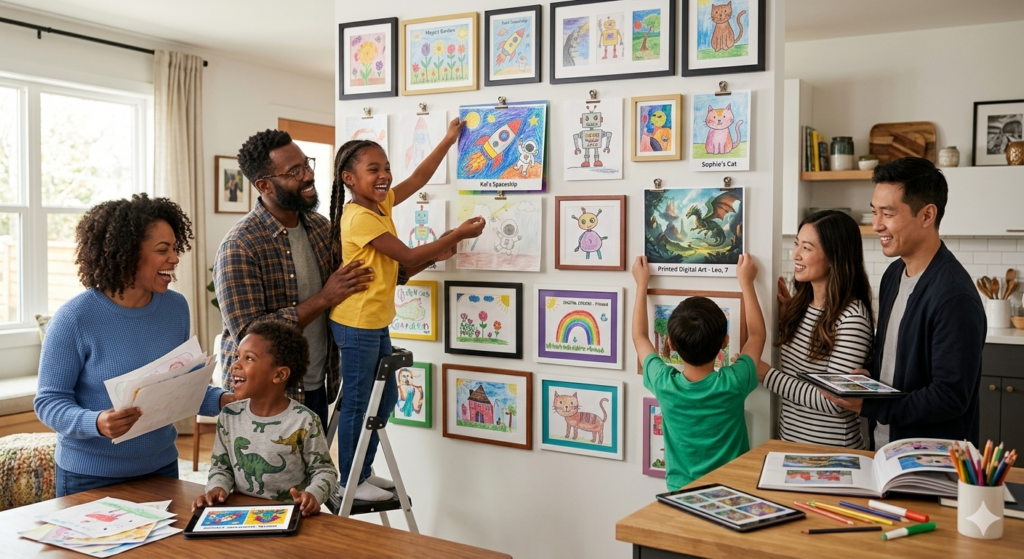
Table of Contents
How often should kids do coloring activities
When asking How often should kids do coloring activities, the answer isn’t one-size-fits-all. Age, interest level, and the type of coloring activity all matter. Preschoolers, for example, may only need 10 to 15 minutes of coloring daily to stimulate motor skills and hand-eye coordination. Older children, who enjoy more detailed or themed coloring tasks, might engage for 30–45 minutes at a time.
Introducing a basic coloring pages routine can help children build consistency without overwhelming them. Setting aside a regular slot during the day like after school or before bedtime can help integrate coloring into their routine naturally.
Understanding the role of coloring in child development
Coloring is more than entertainment. It’s a bridge to cognitive, emotional, and motor development. When a child selects a color, plans their strokes, and executes a design, they are engaging multiple parts of the brain simultaneously.
Research shows that learning through coloring enhances concentration and can even help children manage stress. Incorporating educational elements into coloring like numbers, letters, or shapes turns a simple creative activity into a comprehensive learning exercise.
Choosing the right materials for children
The tools and materials children use can influence both safety and engagement. Non-toxic crayons, colored pencils, and washable markers are ideal for young children. For older kids, gel pens or fine-tip markers may encourage more precise work.
Different textures and mediums can also expand creative skills. For example, some children enjoy watercolor pencils or blending techniques, which add complexity without adding pressure.
Integrating coloring with other educational activities
Coloring can complement other child development activities. Combining art with reading, storytelling, or even basic math exercises can reinforce lessons. For instance, coloring a map while learning geography or shading letters while practicing the alphabet.
Creating themed coloring exercises can turn routine coloring into something interactive and engaging. It keeps children curious while subtly boosting their knowledge and cognitive abilities.

When to introduce themed or cartoon coloring
As children grow, they often become interested in themes or characters. Cartoon shows, storybooks, or movies often inspire their art choices. Using cartoon caloring pages can keep them motivated while allowing parents to incorporate storytelling elements.
Themed coloring is also a subtle way to introduce patterns, symmetry, and even cultural knowledge. It helps children relate visual arts to the world around themEstablishing a daily coloring routine
Consistency is more important than duration. Daily engagement in coloring, even for 10–20 minutes, encourages the development of a daily coloring routine. Children become more confident in their artistic abilities and start seeing coloring as a natural part of their day.
Using timers or setting small goals like completing a page or filling in a scene can make the activity more structured without feeling forced.
How coloring supports motor skills
Coloring exercises help develop fine motor skills, hand-eye coordination, and grip strength. These skills are foundational for writing, cutting, and even sports. Children learn to control pencil pressure, stay within boundaries, and switch colors fluidly.
Preschoolers especially benefit from preschool coloring tasks that focus on larger strokes and simple shapes, gradually transitioning to smaller details as their dexterity improves.
Encouraging creativity and imagination
Coloring is one of the first ways children learn to express themselves visually. Choosing colors, experimenting with shading, or creating imaginary patterns nurtures imagination and decision-making skills.
Encouraging children to mix media or invent their own coloring pages also enhances creative activities for kids, promoting problem-solving and individual expression.
How coloring affects focus and concentration
Engaging in coloring requires attention to detail. Completing a page involves focusing on shapes, colors, and spatial relationships. Regular coloring can improve attention spans and patience, which naturally carries over to other learning activities like reading or math.
Studies suggest that coloring also provides a meditative effect, helping children feel calm and focused similar to mindfulness exercises for adults.
Recommended daily coloring time
The recommended time varies depending on age and engagement level.
| Age Group | Suggested Coloring Time | Focus Area |
|---|---|---|
| 2–3 years | 5–10 minutes | Large shapes, basic strokes |
| 4–5 years | 10–15 minutes | Shapes, letters, numbers |
| 6–8 years | 15–30 minutes | Detailed pictures, patterns |
| 9–12 years | 20–45 minutes | Complex themes, cartoon pages |
| Teens | Flexible | Personal projects, art-based learning |
This table aligns with research on benefits of regular coloring for kids’ brain development and helps structure coloring sessions effectively.
Coloring for emotional and mental health
Coloring can also help children manage emotions. Choosing colors to match feelings, shading calming scenes, or simply focusing on the task can reduce stress and anxiety. It provides a safe, quiet activity that children can control independently.
Even older children or teens who may experience academic or social pressures can benefit from art activities for kids in a mindful context.
Mixing educational content with fun
While the focus is often on creative expression, coloring can serve as an educational tool. Incorporating letters, numbers, maps, or scientific illustrations encourages educational coloring without diminishing the enjoyment factor. This combination helps reinforce academic learning while allowing children to enjoy a hands-on, interactive activity.
Supporting social skills through collaborative coloring
Coloring doesn’t always have to be solitary. Group activities or coloring sessions with siblings, friends, or classmates can promote cooperation, turn-taking, and social interaction.
Shared coloring activities can include collaborative murals, storytelling through images, or joint themed projects. These exercises blend social skills development with child development activities.
Transitioning to independent art projects
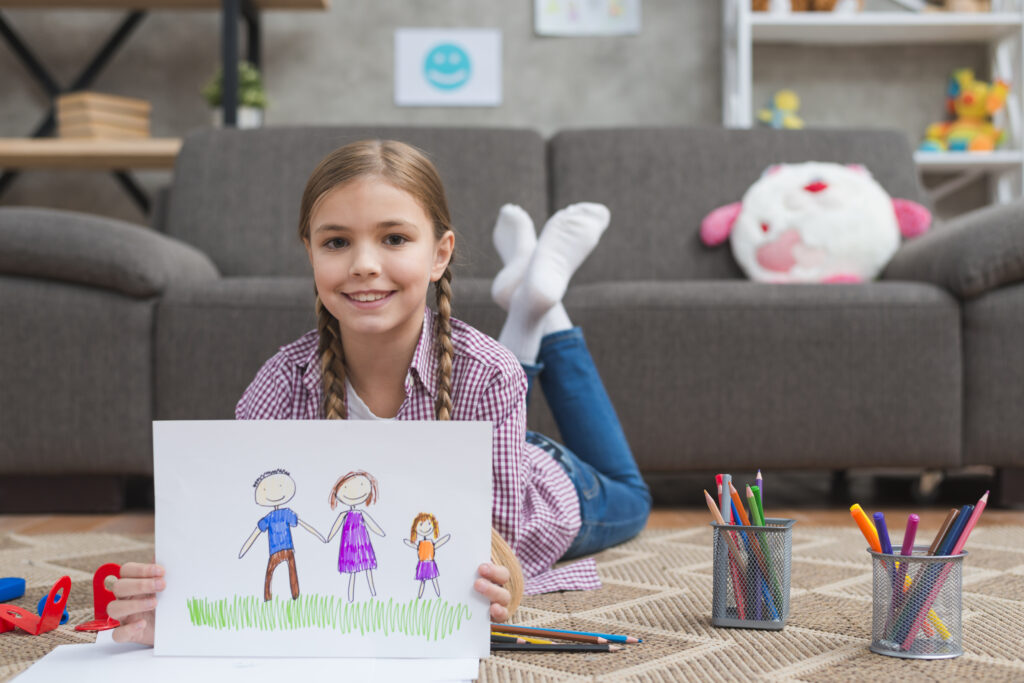
As children gain confidence, encourage them to create original drawings instead of only following pre-printed pages. This can expand their creativity while maintaining the skills they’ve developed through structured coloring exercises.
Independent projects can evolve into hobbies like journaling, scrapbooking, or digital art, helping children carry forward learning through coloring into lifelong skills.
Balancing screen time and coloring activities
In today’s digital world, balancing coloring with screen time is important. While digital apps offer coloring experiences, traditional coloring with pencils, crayons, or markers strengthens fine motor skills more effectively.
Encouraging children to alternate between coloring for children and light digital play can maintain both creativity and physical dexterity.
Encouraging reflection and discussion
After a coloring session, parents can discuss the child’s work. Asking questions about color choices, storylines, or techniques promotes verbal skills and self-expression. Reflective discussion also reinforces cognitive skills and gives children a sense of accomplishment, motivating them to continue.
Tracking progress over time
Keeping a portfolio or collection of completed coloring pages can help monitor development. Parents can note improvements in motor skills, color recognition, and attention to detail. Tracking progress also encourages children to take pride in their achievements and motivates consistent engagement.
Adjusting frequency based on personality and interest
Not all children enjoy coloring equally. Some may prefer drawing, painting, or building activities. Observing the child’s interest helps determine how often should children engage in coloring activities without causing frustration or boredom.
Flexibility is key. Forcing a daily routine when a child resists can make coloring feel like a chore instead of an enjoyable learning experience.
Signs a child is benefiting from coloring
Indicators of positive impact include improved focus, better hand-eye coordination, increased creativity, and calmness during or after the activity. Children may also demonstrate pride in their work or be more willing to engage in other creative relaxation exercises. These subtle signs suggest the current frequency and duration of coloring sessions are appropriate.
Combining coloring with other creative outlets
Coloring can act as a stepping stone to other artistic activities like painting, crafts, or digital art. Encouraging children to experiment with multiple mediums nurtures versatility and keeps interest high.
This approach strengthens the broader category of art activities for kids while preserving the developmental benefits of coloring.
Supporting lifelong creativity
Starting a consistent coloring habit at a young age can set the foundation for lifelong creative skills. Children who engage regularly in coloring activities often develop better visualization, planning, and problem-solving abilities that extend beyond the arts.
It also nurtures a love for hands-on learning that can translate into hobbies, academic projects, and personal expression well into adulthood.
Key takeaways
- Frequency should match age, interest, and developmental goals.
- Preschoolers: 5–15 minutes; school-age children: 15–45 minutes.
- Use structured routines but allow flexibility.
- Incorporate educational content to enhance learning.
- Encourage discussion, reflection, and portfolio tracking.
- Combine coloring with other creative and social activities.
Regular engagement in coloring supports motor skills, cognitive development, and emotional health while keeping children engaged in creative activities for kids.
Conclusion
Asking How often should kids do coloring activities isn’t just about filling time it’s about nurturing skills, creativity, and focus. By integrating short, consistent sessions into daily life, parents can ensure children enjoy the benefits without feeling pressured.
Coloring is more than just a pastime; it’s a developmental tool, a stress reliever, and a bridge to lifelong creativity. Balancing structured and free form coloring, alongside other educational and recreational activities, can help children thrive. A thoughtful approach ensures coloring remains a fun, enriching, and essential part of childhood growth.