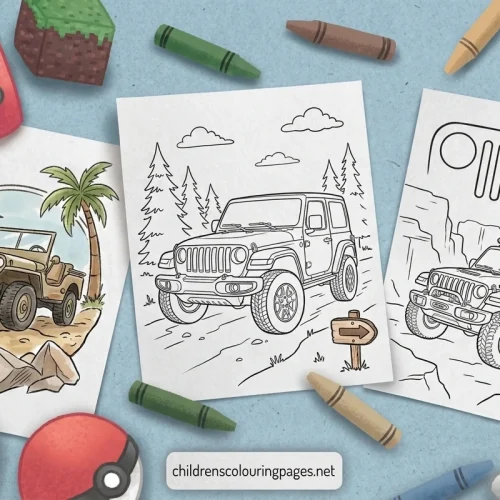
Coloring is often seen as a simple pastime, but for children, it carries more significance than just filling spaces with color. colouring pages provide a platform for creativity, learning, and early skill development. Parents and educators notice that children spend hours focused on these sheets, and it isn’t just play it’s a form of learning disguised as fun. The shapes, lines, and spaces require attention, which helps children build patience and concentration from an early age.

For many kids, coloring also becomes a bridge to other kids activities. It can lead to drawing, painting, or exploring simple crafts, all of which contribute to growth in multiple areas of childhood development.
Table of Contents
Why are coloring pages important for children
When asking why are coloring pages important for children, the answer spans several dimensions cognitive, physical, emotional, and creative. These activities engage multiple skills simultaneously. For instance, holding crayons strengthens small muscles in the hands, preparing kids for writing. Selecting colors and patterns encourages decision-making, problem-solving, and creative thinking.
Educational experts often recommend using basic coloring pages to introduce children to shapes, numbers, letters, and simple concepts. This not only enhances their learning experience but also helps retain their interest longer than traditional worksheets.
Here’s a table summarizing some core benefits:
| Area | How Coloring Helps |
|---|---|
| Cognitive | Recognition of shapes, letters, numbers, and patterns |
| Physical | Development of fine motor skills and hand-eye coordination |
| Emotional | Stress relief, self-expression, confidence building |
| Creative | Encourages imagination and artistic exploration |
This combination of benefits explains why coloring is more than a pastime; it is a multi-dimensional learning tool.
Boosting creativity through coloring
Creativity in children is a skill that benefits from repeated engagement. Creative activities for children like coloring encourage them to think beyond boundaries. Choosing unusual color combinations or inventing imaginary scenes allows children to explore ideas freely.
Research shows that kids who engage regularly in coloring exercises demonstrate higher imaginative thinking. This is why educators emphasize educational coloring pages that balance structure with room for interpretation.
The creative process is often subtle. Even when a child colors within the lines, they make choices that reflect individuality. This decision-making is a quiet but powerful exercise in creativity.
Fine motor skills and early learning
A child’s ability to control small hand movements is crucial for other developmental areas, including writing, cutting, and even typing later on. Coloring strengthens muscles and coordination. Activities such as staying within the lines or switching between colors refine control and precision.
Here’s a closer look at skill improvement:
| Skill Type | Activity Example | Outcome |
|---|---|---|
| Fine motor | Coloring intricate patterns | Improved hand strength and dexterity |
| Eye-hand coordination | Matching colors to images | Better coordination for writing and crafts |
| Focus & patience | Completing a page | Increased attention span |
Early exposure to early learning activities like these often translates into smoother transitions to academic tasks later in life.
Emotional and social benefits
While coloring is often solitary, it can also be social. Kids share materials, show their work, and discuss color choices. This interaction teaches collaboration and social communication.
Additionally, coloring helps regulate emotions. Concentrating on an enjoyable, controlled task reduces stress and frustration. Children feel a sense of achievement when a page is complete, which boosts confidence and motivation.
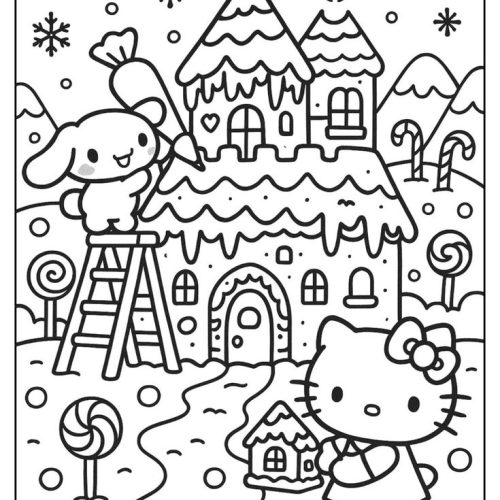
In social environments, using cartoon coloring pages helps children relate to popular characters, building engagement and cultural awareness simultaneously.

Educational benefits beyond art
Coloring also serves as a subtle educational tool. Alphabet coloring pages, number coloring sheets, and themed educational sheets introduce concepts in a playful way. Children learn through repetition and recognition, which strengthens memory retention.
For example, coloring a sheet with animals labeled with their names reinforces vocabulary and visual association. This form of learning through coloring encourages self-paced exploration, which is often more effective than rigid classroom drills.
Enhancing focus and attention span
Completing a coloring page requires sustained attention. Unlike fast-paced digital games, coloring encourages slower, deliberate movements. Children learn to plan their approach choosing colors, maintaining lines, and completing sections methodically.
These habits transfer to other academic activities, enhancing concentration during reading, writing, and problem-solving. Teachers often note that students who engage in structured coloring show better patience with classroom tasks.
Supporting cognitive development
Cognitive skills are sharpened through coloring activities. Decision-making, pattern recognition, and understanding cause-and-effect relationships all play a role. When children decide to mix colors or create shading, they practice analytical thinking.
Some benefits include:
| Cognitive Skill | Coloring Activity | Development Outcome |
|---|---|---|
| Memory | Repeating colors and shapes | Improved recall |
| Decision making | Choosing which color to use | Problem-solving practice |
| Pattern recognition | Following lines and templates | Better spatial awareness |
Educational worksheets combined with coloring, such as educational coloring pages, integrate cognitive challenges while remaining fun.
Encouraging self-expression
Coloring allows children to express their thoughts without the constraints of words. This is particularly valuable for younger children who may not yet articulate complex feelings verbally. The choice of colors, intensity, and style reflects mood and personality.
This form of expression enhances emotional intelligence. Children learn to communicate ideas visually, which strengthens both creative and interpersonal skills.
Social learning and teamwork
While coloring is often a personal activity, group sessions encourage social learning. Children discuss techniques, exchange crayons, and collaborate on larger projects.
Through these interactions, children develop negotiation skills, empathy, and cooperation—essential parts of child development activities. Shared coloring activities also provide opportunities for constructive feedback, enhancing confidence and social awareness.

Fine motor skills in detail
The physical aspect of coloring goes beyond mere hand movement. Activities like coloring small areas, alternating colors, and shading improve fine motor skills activities significantly.
Strengthening these small muscles also prepares children for writing and typing. Teachers often integrate coloring exercises as part of early learning programs for this reason.
Linking creativity with learning
Coloring is not just about fun; it can be an educational tool that reinforces learning. When children color thematic pages like maps, science concepts, or letters they combine art activities for kids with cognitive exercises.
For example, a geography-themed coloring page teaches continents, countries, or landmarks while encouraging creativity. This multi-sensory learning approach makes the material more memorable.
The role of repetitive practice
Repetition in coloring builds consistency and mastery. Completing multiple coloring pages improves focus, enhances fine motor control, and reinforces learned concepts.
A gradual increase in complexity from basic coloring pages to more detailed patterns supports continuous development. The child becomes more confident tackling intricate designs over time.
Emotional regulation through coloring
Coloring has a calming effect on children. Focusing on repetitive patterns or choosing soothing colors helps manage emotions and anxiety. This form of relaxation is especially useful in structured settings like classrooms or after busy school days.
Moreover, completing a page offers immediate gratification, reinforcing a sense of accomplishment and motivation to continue learning.
Creative thinking and problem-solving
When children decide which colors to use, they are practicing problem-solving. They weigh choices, anticipate outcomes, and adapt when results differ from expectations.
This active engagement explains why experts often mention why coloring pages help children develop creativity. Beyond aesthetics, coloring becomes a mental exercise that nurtures innovation and imaginative thinking.
Integration with other educational activities
Coloring can complement broader educational strategies. For instance, coloring letters, numbers, or shapes supports early literacy and numeracy. It also blends well with science, geography, and language exercises, creating a comprehensive learning approach.
Educational and fun coloring activities for children often combine worksheets, coloring pages, and interactive tasks for maximum engagement.
Tools and resources for coloring
Parents and educators have access to numerous coloring resources today. Printables, digital apps, and themed coloring books all provide structured content. Selecting the right tools can amplify the benefits of coloring by matching skill level, age, and learning objectives.
For example, themed sets like animal collections or seasonal pages allow targeted learning while keeping the child interested.
Tracking development through coloring
Coloring can also serve as a developmental indicator. Observing a child’s ability to stay within lines, choose colors thoughtfully, or complete tasks independently offers insight into cognitive, motor, and emotional growth.
Educators often keep simple observation charts to track progress over time, providing tangible evidence of development in child development activities.
Summary of benefits
| Benefit Area | Example from Coloring |
|---|---|
| Creativity | Choosing colors and inventing patterns |
| Cognitive | Recognizing letters, numbers, and shapes |
| Emotional | Expressing feelings through color and style |
| Physical | Improving hand-eye coordination and fine motor skills |
| Social | Sharing and collaborating on coloring projects |
This comprehensive list explains why coloring pages important for children is not just a question it’s an evidence-backed approach to learning and development.
Conclusion
Coloring is more than a simple pastime. From cognitive skills to emotional expression, social learning, and fine motor development, coloring pages important for children support a wide range of growth areas. They bridge fun and education, helping children explore creativity while building essential skills for school and life.
Parents, teachers, and caregivers can use educational coloring pages, cartoon coloring pages, and structured exercises to create a well-rounded experience that is both enjoyable and meaningful. By encouraging regular coloring activities, children not only develop technical skills but also nurture imagination, problem-solving, and confidence all essential for their future learning journey.