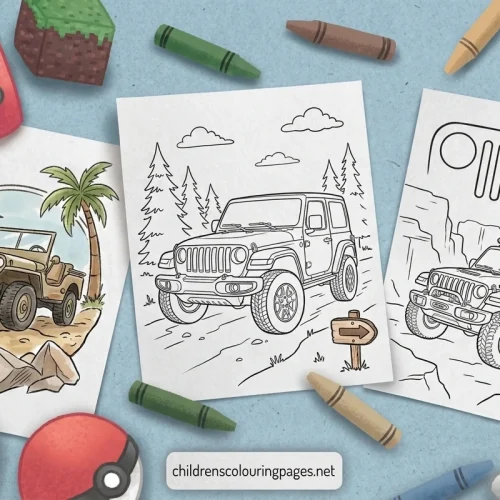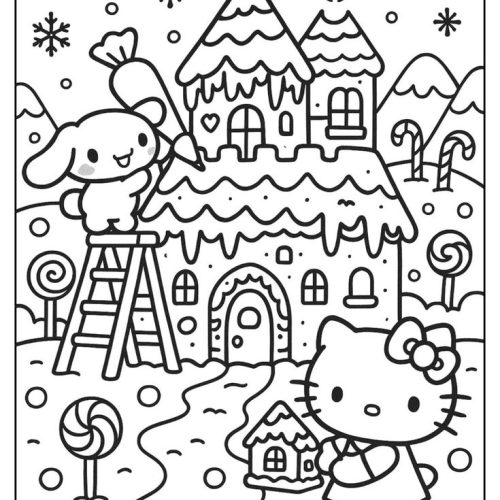
Coloring has always been one of those quiet activities that somehow keeps children busy without much effort. A few crayons, some colouring pages, and suddenly the room goes calm. But behind that simple setup, there’s more going on. Different ages respond to coloring in very different ways, and what works for a toddler might not work at all for an older child. So the question comes up naturally who actually benefits the most from coloring pages? and what age group coloring pages best for?
Table of Contents
What age group coloring pages best For?
When people ask What age group are coloring pages best for?, the honest answer is… almost all of them, just in different ways. Coloring isn’t limited to one stage of childhood. It shifts as kids grow. mToddlers use coloring to explore movement and grip. Preschoolers begin recognizing shapes and patterns. Older kids treat it as a creative outlet or even a way to relax. That’s why the idea of age appropriate coloring pages matters more than age itself. The activity stays the same, but the purpose changes over time.
Early years: toddlers just getting started
Toddlers, usually between ages 1.5 to 3, are at the very beginning of motor skill development. At this stage, toddler coloring pages are not really about staying inside the lines. In fact, lines barely matter. What matters is movement. Holding a crayon, making marks, pressing harder or softer these are small actions, but they build coordination.
Simple shapes, large spaces, and bold outlines work best here. These are often called easy coloring pages, and they help toddlers feel comfortable without frustration. Coloring at this stage is messy. That’s part of the process.
Preschool stage: where structure begins
By the time children reach ages 3 to 5, things start to shift. They begin to understand boundaries, recognize objects, and even choose colors with intention. This is where basic coloring pages come in. Shapes are still simple, but there’s more structure animals, fruits, or familiar objects.

Preschool coloring pages also introduce learning elements. Letters, numbers, and patterns quietly become part of the activity. This is where coloring starts blending into kids learning activities. You might notice children trying to stay inside the lines. Not perfectly, but the effort is there.
Early school years: creativity expands
Between ages 6 and 8, children become more confident. Their grip improves, their attention span grows, and their imagination becomes more active. At this stage, coloring activities for children become more detailed. Pages include scenes instead of single objects. There might be backgrounds, multiple characters, or small patterns to fill in.
Children start experimenting. A tree doesn’t have to be green. The sky doesn’t always stay blue. That shift shows the beginning of creative thinking. This is also where educational coloring pages can be really useful—maps, science diagrams, or story-based illustrations.
Middle childhood: detail and patience
Ages 9 to 12 bring a different kind of engagement. Kids at this stage often enjoy more detailed designs. Some even prefer complex patterns or mandala-style sheets.
These aren’t just fun coloring sheets anymore they require patience and focus. Coloring becomes less about learning basic skills and more about expression and relaxation. It’s also one of the quieter child development activities that doesn’t feel like work. You might notice kids spending longer periods on a single page, refining details or blending colors.
Teenagers and coloring: still relevant?
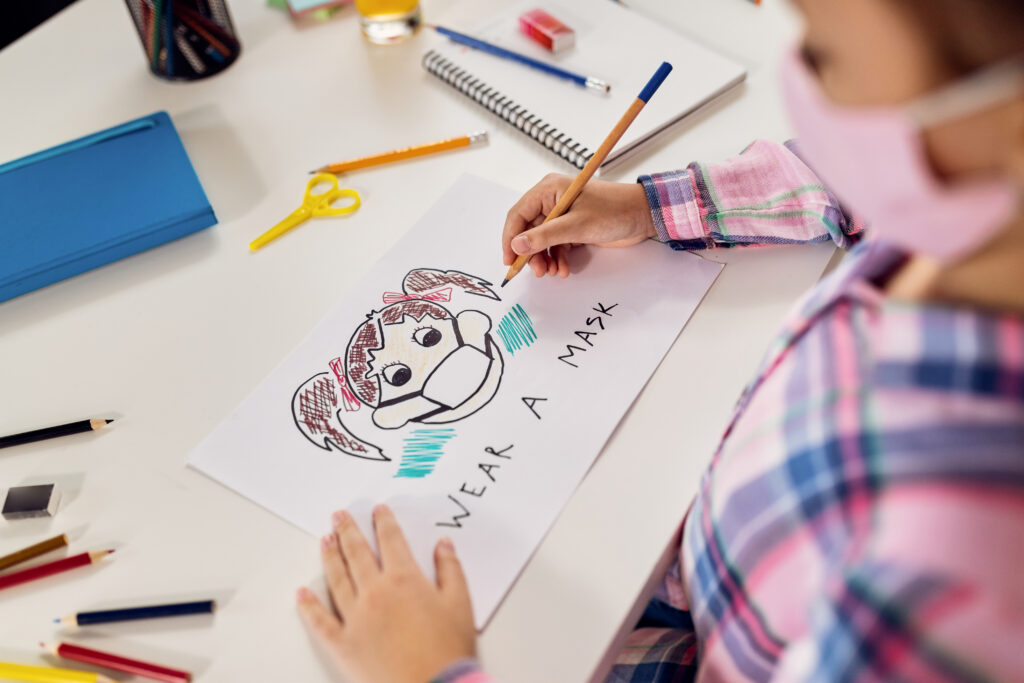
It might seem like coloring fades away during teenage years, but that’s not always true. Some teens return to coloring as a way to relax. Detailed pages, especially those designed for stress relief, appeal to them more than simple designs. At this point, coloring shifts again. It’s not about development anymore it’s about focus, calmness, and creative escape. So even though the audience changes, coloring doesn’t really disappear.
Adults and coloring: an unexpected extension
While the main focus is children, it’s hard to ignore how adults have picked up coloring again. Adult coloring books with intricate patterns have become common. They serve as a quiet activity, almost like a break from screens. This doesn’t directly answer what age group are coloring pages best for children, but it does show that the activity itself isn’t limited by age.
Comparing age groups and coloring needs
Sometimes it helps to see everything side by side.
| Age Group | Type of Coloring Pages | Focus Area |
|---|---|---|
| 1.5–3 years | Toddler coloring pages | Motor skills, grip |
| 3–5 years | Preschool coloring pages | Shapes, recognition |
| 6–8 years | Basic + themed pages | Creativity, learning |
| 9–12 years | Detailed sheets | Focus, patience |
| Teens | Complex designs | Relaxation, expression |
This gives a clearer picture of the benefits of coloring pages for different age groups.
Choosing the right coloring pages
Picking the right page matters more than most people think. A page that’s too simple might bore a child. One that’s too complex can frustrate them.
When thinking about how to choose age appropriate coloring pages for kids, it usually comes down to three things:
- Size of shapes
- Level of detail
- Familiarity of content
Younger kids need space. Older kids look for detail. It’s a gradual shift, not a sudden change.
Differences between toddlers and preschoolers
The gap between toddlers and preschoolers is small in years, but noticeable in behavior. Coloring pages for toddlers vs preschoolers differences often come down to control. Toddlers move freely, while preschoolers start aiming for accuracy. Preschoolers also begin to follow instructions. “Color the apple red” makes sense to them, while toddlers may just enjoy the motion itself. It’s a subtle change, but it shapes how coloring activities are designed.
Coloring as part of daily learning
Coloring doesn’t need to stand alone. It fits naturally into daily routines. Teachers often include it in kids learning activities because it supports other skills. Writing, reading, and even math benefit from the coordination and focus built through coloring. This is why best coloring activities for early childhood development often mix art with learning elements.
Role of themed and cartoon coloring
At some point, children start connecting with characters. Cartoons, stories, and games begin to influence their choices.
That’s where cartoon caloring pages become popular. Kids enjoy coloring something they recognize. It keeps them engaged longer. The emotional connection makes a difference. It’s no longer just coloring it’s interacting with something familiar.
Balancing fun and learning
There’s always a balance between fun and structure. Too much focus on learning can make coloring feel like a task. Too much freedom might reduce its developmental value. A mix usually works best. Some days, let children color freely. Other days, introduce patterns or themes. This balance keeps coloring activities for children both engaging and meaningful.
How often should kids color at different ages
Frequency matters, but it doesn’t need to be rigid.
| Age | Suggested Frequency |
|---|---|
| Toddlers | 5–10 minutes daily |
| Preschoolers | 10–20 minutes daily |
| School-age kids | 20–40 minutes a few times a week |
| Older kids | Flexible |
This ties back to how children engage with the activity at each stage.
Signs a child is ready for more complex pages
Children don’t always move to the next level at the same pace. Some signs help:
- Staying inside lines more often
- Showing interest in details
- Spending more time on one page
- Asking for more challenging designs
When these appear, it’s usually time to move beyond easy coloring pages.
When coloring might not be the right fit
Not every child enjoys coloring. Some prefer building, moving, or other creative activities. That doesn’t mean coloring has no value it just means it shouldn’t be forced. Offering different types of child development activities allows children to find what suits them best.
Long-term benefits of coloring
Over time, coloring builds more than just motor skills. It supports patience, decision-making, and even confidence. Completing a page, choosing colors, and seeing the final result gives children a sense of achievement. These small experiences add up and support overall growth.
Final thoughts
So, What age group are coloring pages best for? It’s not a single number or stage. Coloring grows with the child. From simple scribbles in toddler years to detailed designs in later childhood, the activity keeps adapting. The key isn’t just age it’s matching the right type of coloring page to the child’s current ability and interest. When that balance is right, coloring becomes more than just a quiet activity. It becomes something children return to, again and again, without being told.