You hand a toddler a crayon and a sheet from your stack of colouring pages, and within seconds they’re busy. Scribbling, pressing hard, sometimes tasting the crayon if you’re not watching. It looks simple, but there’s always that small question in the back of your mind are they actually safe doing this?
Most parents don’t overthink it at first. Coloring feels harmless. Paper and crayons don’t seem risky. But once you start noticing how toddlers interact with things putting them in their mouth, breaking them, throwing them you begin to look closer at what “safe coloring for toddlers” really means.
Table of Contents
Can toddlers use coloring pages safely? what parents should really know
The short answer is yes, toddlers can use coloring pages safely. But it depends on what you give them and how closely you’re paying attention. At that age, kids don’t separate play from exploration. Everything is something to test. So toddler coloring pages themselves aren’t the issue. The materials and setup matter more.
If the crayons are labeled non toxic, the paper is clean, and an adult is nearby, the activity stays low-risk. Without those things, even simple kids coloring activities can turn messy or unsafe. It’s less about the coloring pages and more about the environment around them.
Why toddlers are drawn to coloring in the first place
Toddlers don’t think in terms of art. They don’t try to stay inside lines or pick matching colors. They’re more interested in the movement. Coloring for toddlers is physical. It’s about holding something, pressing it down, and seeing a mark appear. That cause-and-effect loop is what keeps them engaged.
That’s why even very basic shapes or scribble-friendly pages work better than detailed ones. Some parents switch to basic coloring pages early on because they match the way toddlers actually interact with paper. They’re not trying to create something neat. They’re just exploring.
Common safety concerns people don’t talk about much
There are a few small things that come up again and again, even though they don’t seem obvious at first.
Crayons breaking into small pieces. Toddlers putting colors in their mouth. Paper getting torn and chewed. Markers leaking onto skin.
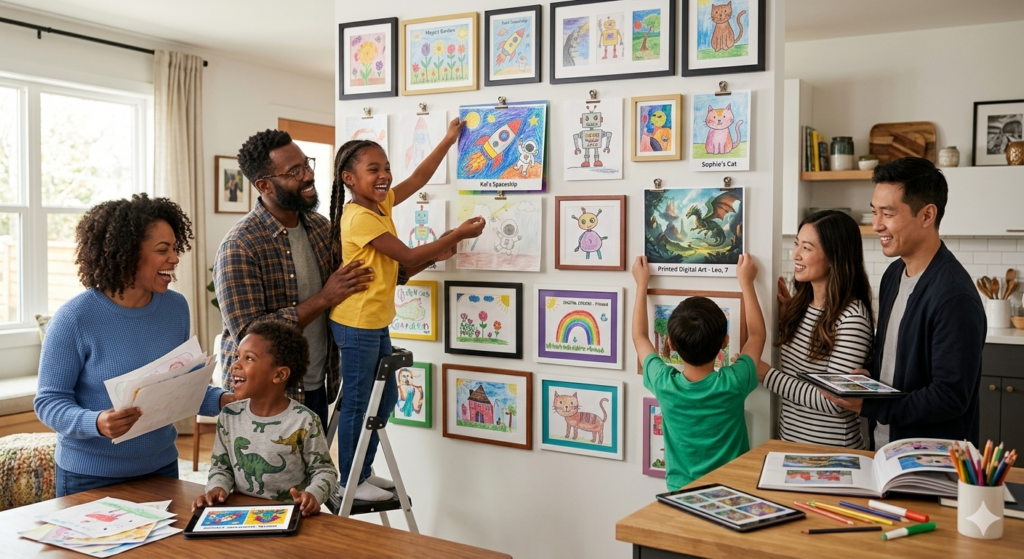
None of these are extreme dangers, but they add up if you’re not watching. That’s why safe coloring for toddlers is less about strict rules and more about small adjustments. Using thicker crayons. Avoiding sharp edges. Keeping the session short. I don’t need to remove risk completely. Just keep it manageable.
Choosing the right toddler coloring pages
Not all toddler coloring pages are the same. Some are designed for older kids, even if they look simple.
For toddlers, bigger shapes work better. Clear outlines, less detail, more open space. That gives them room to move without frustration.
Preschool coloring pages sometimes overlap with toddler needs, but they can still feel a bit complex. Simpler is usually better at this stage.
You’ll notice that when the page feels too crowded, toddlers lose interest faster. It’s not about skill. It’s just how they process visual space.
What kind of art supplies are actually safe
Parents often assume all crayons are the same. They’re not.
Non toxic crayons are the safest starting point. They’re made to handle the fact that toddlers might taste them. That doesn’t mean eating them is fine, but it lowers the risk. Here’s a simple comparison that helps:
| Material | Safe for Toddlers | Why it Works |
|---|---|---|
| Non toxic crayons | Yes | Low risk if mouthed |
| Washable markers | Sometimes | Only with supervision |
| Colored pencils | No | Sharp edges |
| Gel pens | No | Small parts and ink flow |
Safe art supplies for kids don’t need to be complicated. They just need to match the child’s age and behavior.
The role of supervision in kids art safety
You can have the safest materials and still run into problems if no one is watching. Toddlers shift quickly from one activity to another. Coloring might turn into throwing crayons or drawing on walls. That’s why supervision matters more than the tools themselves. Not strict control, just presence. Even a few minutes of attention makes a difference. You notice things early. You adjust. You guide without interrupting the flow too much.
How cartoon-themed pages affect toddler engagement
At some point, parents introduce characters. Animals, cartoons, simple faces. That’s when things start to change a bit.
Using cartoon caloring pages can increase interest, but only if the designs stay simple. Too much detail turns them back into something overwhelming.
Toddlers respond to familiar shapes. A smiling face or a basic animal outline works better than a complex scene.
It’s less about the theme and more about clarity.
Best safe coloring materials for toddlers and young children
There isn’t a single “best” option, but a few patterns show up in what works well.
| Material Type | Recommended Age | Safety Level |
|---|---|---|
| Jumbo crayons | 1.5–3 years | High |
| Chunky chalk | 2–3 years | High |
| Finger paints | 2+ years | Medium |
| Standard markers | 3+ years | Medium |
Child safe materials are usually bigger, softer, and harder to break. That’s what reduces risk.
You’ll notice that smaller items tend to create more problems.
How toddlers actually use coloring tools
Watching a toddler color tells you a lot. They grip the crayon tightly, sometimes with their whole hand. They press hard. They don’t follow direction.
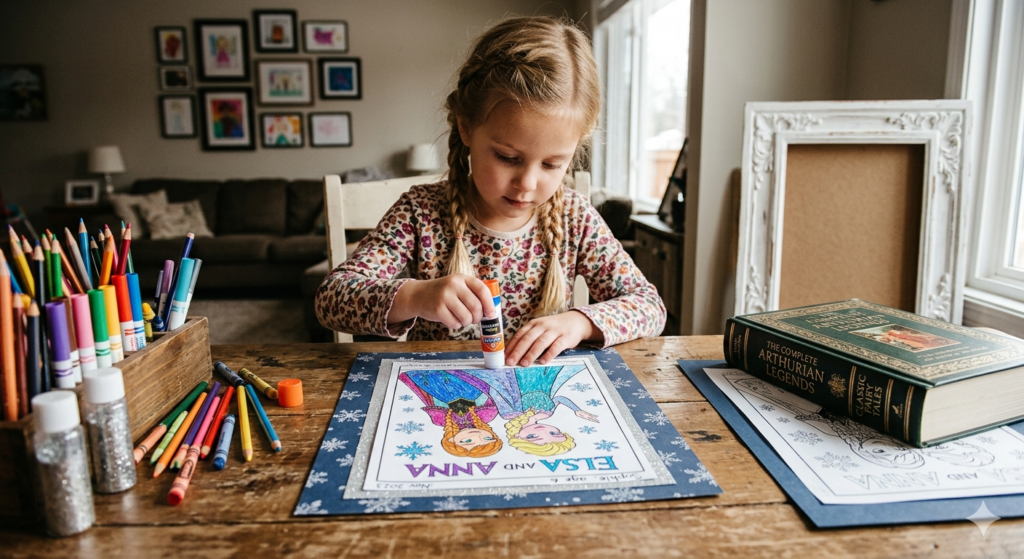
That’s normal. It’s also why grip strength and control slowly improve over time. These small actions build coordination without needing structured lessons. That’s where kids coloring activities overlap with early learning activities. It’s not just play, even if it looks like it.
Benefits that go beyond just keeping them busy
People often treat coloring as a way to occupy toddlers for a few minutes. It does that, but there’s more going on. Hand movement improves. Attention span stretches slightly. There’s a bit of focus, even if it’s short.
Benefits of coloring pages for toddler development and learning aren’t dramatic, but they’re steady. Small improvements that build over time. Nothing sudden. Just gradual change.
Safety tips that actually work in real situations
Most advice sounds good in theory but doesn’t always hold up in real life.
A few simple things tend to work better:
- Keep sessions short
- Use thicker crayons
- Stay nearby without hovering
- Avoid cluttered pages
Safety tips for toddlers using coloring pages and art supplies don’t need to be complicated. They just need to fit how toddlers behave. You adjust as you go.
How to choose non toxic crayons and markers
Labels matter more than brand names here. Look for clear “non toxic” markings. Avoid anything with strong smells or unclear packaging.
Some parents also test durability. If a crayon breaks too easily, it becomes a choking risk. The goal isn’t perfection. Just reducing obvious risks.
Coloring at home vs school environments
At home, things are more flexible. You control the space, the materials, and the timing.
In schools or daycare, there’s usually more structure. Teachers follow safety guidelines, but they also manage multiple children at once.
That’s why can toddlers use coloring pages safely at home and school depends slightly on supervision levels. At home, it’s more personal. In school, it’s more structured. Both can work, just in different ways.
When toddlers lose interest and why it happens
Sometimes a child who enjoys coloring suddenly stops. It’s not always a problem. It can be boredom, frustration, or just shifting interest. Toddlers move quickly between activities. Switching pages, changing colors, or even pausing for a while usually brings the interest back. There’s no need to force it.
Are there risks parents tend to overlook
Small things, mostly. Using regular pens too early. Leaving toddlers alone with materials. Giving pages that are too detailed. None of these are major issues on their own, but they add up. Kids art safety often comes down to noticing these small patterns early.
A simple way to think about it
Coloring for toddlers isn’t about teaching art. It’s about giving them something they can explore safely. Toddler coloring pages, safe materials, and a bit of supervision that’s enough. They’ll scribble, press hard, maybe even color outside the paper. That’s part of it. If the setup is right, the risks stay low, and the activity stays simple. And for most parents, that’s all they’re really looking for.