Coloring is often seen as a simple pastime, something children do to pass the time on rainy days or while waiting for a meal. But when kids engage with colouring pages, the act is far from simple. Each line they fill, every color choice they make, stretches their imagination in ways that go beyond just keeping hands busy. Coloring can quietly nurture kids coloring activities, helping children explore shapes, textures, and even storytelling in visual form. Lets learn that how coloring page improve creativity in childrens
While many parents think of coloring as entertainment, the repetitive action of staying within lines and experimenting with hues also trains focus. For very young children, these activities are among the first structured experiences with self-expression. Even simple pencils and crayons can become tools for children creativity development, setting the stage for more advanced creative thinking later on.
Table of Contents
Can coloring page improve creativity in children?
Yes, coloring pages can improve creativity. The question touches on a subtle but important point: creativity is not just about producing art, it’s about thinking imaginatively. When a child colors a page, they choose colors, decide on patterns, and sometimes reinterpret the images themselves.
For beginners, starting with basic coloring pages gives a foundation. Simple shapes, basic animals, and common objects help kids focus on decision-making. Even within the boundaries of structured outlines, children experiment with shades, contrasts, and combinations, which are small exercises in creative thinking.
A structured table can help visualize how creativity develops at different levels of coloring:
| Type of Coloring Page | Complexity | Creativity Encouraged | Example |
|---|---|---|---|
| Basic coloring pages | Low | Choosing colors | Simple shapes, fruits |
| Creative coloring pages | Medium | Combining patterns | Flowers with intricate details |
| Cartoon coloring pages | High | Storytelling & interpretation | Animated characters in scenes |
Children move from pure coloring to imaginative expression as the complexity of their activities increases.
The role of structured coloring in skill building
Structured coloring may look simple, but it involves multiple cognitive skills. Choosing the right colors, staying within lines, and thinking about harmony involves concentration, fine motor coordination, and visual awareness. These skills overlap with kids art and creativity, even in non-art contexts like solving puzzles or organizing tasks.
Structured coloring helps children gradually become comfortable with following rules while also allowing personal expression. This balance is essential for creativity. They learn that boundaries don’t necessarily limit imagination—they can frame it.
How creative coloring pages differ from simple coloring
Creative coloring pages differ from basic outlines in ways that significantly influence imagination. While basic coloring pages focus on filling shapes, creative pages often include complex patterns, abstract designs, or story-driven illustrations.
Children engaging with these pages must make decisions beyond color selection they plan patterns, interpret abstract spaces, and may even invent stories behind the images. These activities nurture children creativity development in a more nuanced way than simple repetition.
| Feature | Basic Coloring Pages | Creative Coloring Pages |
|---|---|---|
| Level of Detail | Simple outlines | Complex patterns |
| Decision-making | Minimal | High |
| Encourages Storytelling | No | Yes |
| Motor Skills | Moderate | Advanced |
The distinction shows how creative coloring pages naturally promote higher-order thinking in kids.
Using cartoon coloring pages for storytelling
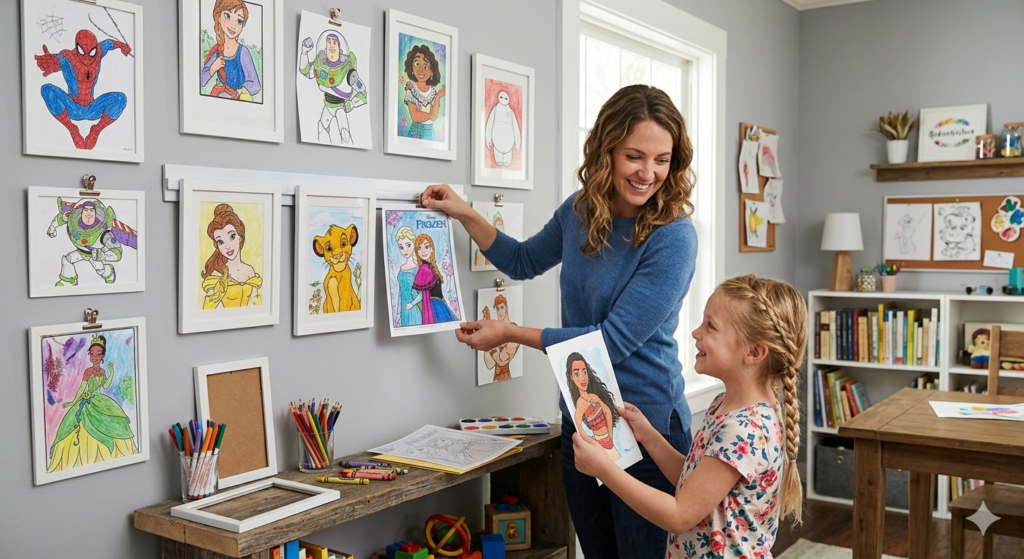
Cartoon characters and animated scenes present another level of creative opportunity. cartoon coloring pages allow children to explore narrative thinking as they color. A single image might inspire them to invent names, personalities, or even plot lines for the characters depicted.
This combination of visual art and storytelling fosters both imagination and verbal skills. A child might color a superhero with blue hair, which in turn inspires a story about why the character has that unique feature.
By integrating narrative and artistic choice, cartoon pages bridge the gap between kids coloring activities and broader cognitive development.
The connection between coloring and brain development
Coloring also has measurable effects on brain development. Activities that require hand-eye coordination, attention to detail, and decision-making stimulate the brain’s prefrontal cortex—the area involved in planning, focus, and creativity.
| Brain Area | Coloring Activity | Development Impact |
|---|---|---|
| Prefrontal cortex | Choosing colors, planning patterns | Creativity & problem-solving |
| Motor cortex | Handling pencils or crayons | Fine motor skills |
| Visual cortex | Recognizing shapes & colors | Spatial awareness |
Beyond cognitive benefits, art activities for kids like coloring reduce stress and improve focus, creating a positive environment for imaginative thinking.
Educational coloring pages as learning tools
Educational coloring pages combine fun with learning. They might include letters, numbers, animals, or scenes depicting scientific concepts. While children color, they absorb information subconsciously, and these exercises often double as fun learning activities for children.
Parents can reinforce these activities by asking open-ended questions. For instance, if a child colors a map, they can discuss what each country represents. This strengthens connections between visual creativity and analytical thinking.
How repetitive coloring builds confidence
Repetition in coloring builds confidence. The act of completing a page, choosing colors, and seeing results encourages children to trust their choices. Confidence feeds creativity, as children become less afraid to experiment.
Even when kids make “mistakes,” like coloring outside the lines, they learn to adapt. This trial-and-error process is at the heart of children creativity development.
The role of color choices in imagination
Color selection is more than aesthetics. It reflects how children interpret the world. A child choosing unexpected colors—pink elephants, purple suns demonstrates a willingness to experiment and think unconventionally.
These seemingly small choices accumulate over time. Kids coloring activities that encourage free choice help children develop personal style, an essential aspect of creative identity.
Combining coloring with other creative activities
Pairing coloring with other child development activities can amplify benefits. Storytelling, music, or building projects complement coloring by encouraging multi-dimensional thinking. For example, a child might color a tree, then create a story about animals living in it.
The combination encourages flexibility in thinking. When children move seamlessly between visual and verbal creativity, their imagination becomes more robust.
Tracking progress in creativity
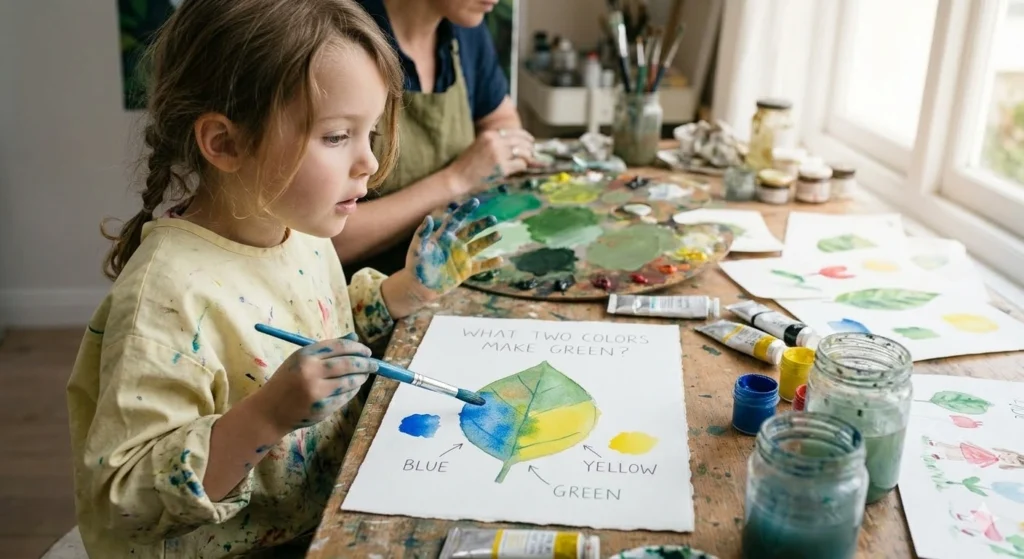
Tracking progress in coloring and related activities can help adults see how creativity develops over time. Observing the choice of patterns, color combinations, and invented narratives shows growth in both kids art and creativity.
| Observation Metric | Early Stage | Later Stage |
|---|---|---|
| Color selection | Basic, predictable | Bold, varied, experimental |
| Pattern use | Minimal | Complex and creative |
| Storytelling | Rare | Frequent and imaginative |
Parents can encourage gradual expansion from basic coloring pages to more complex creative coloring pages for sustained growth.
Integrating technology with coloring
Digital coloring apps allow for experimentation without the worry of mess. They also introduce interactive elements, animations, and new textures. These tools complement traditional coloring, offering children another layer of creative engagement.
Even in the digital environment, traditional principles apply. Choices made digitally reflect the same imaginative thinking as coloring with pencils or crayons. The focus remains on decision-making, narrative invention, and visual exploration.
Conclusion: coloring as a pathway to creativity
So can coloring pages improve creativity? Evidence suggests yes. From simple colouring pages to complex cartoon coloring pages, these activities engage imagination, motor skills, and decision-making. They nurture confidence, allow experimentation, and even connect with broader learning activities.
Through repetition, storytelling, and imaginative color use, children develop skills that extend well beyond the page. Every choice they make—how to shade, what colors to blend, what story to tell represents a small exercise in creativity.
Coloring may appear simple, but the process creates a foundation for lifelong imaginative thinking, demonstrating that even basic art activities are powerful tools in children creativity development.