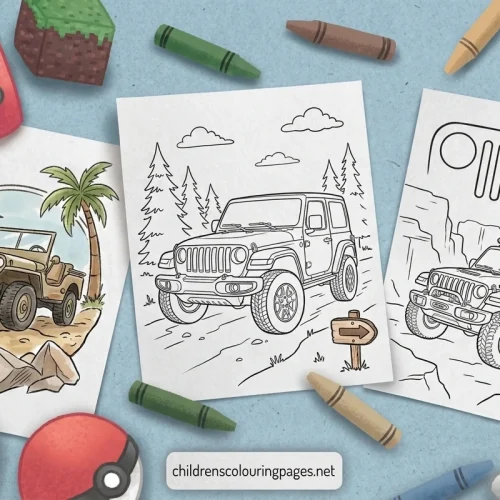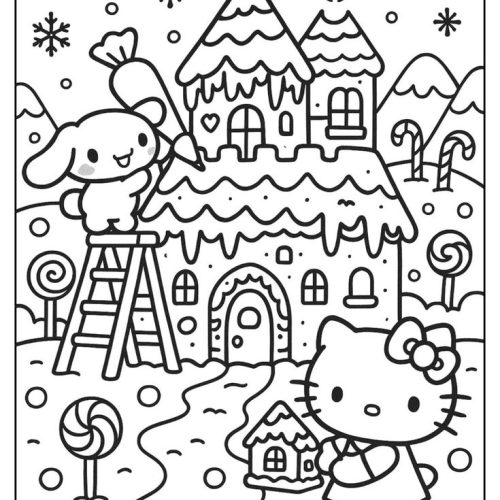
Coloring has long been a favorite pastime for children, offering both fun and quiet moments of focus. Parents and educators often seek ways to combine play with learning, and using coloring pages for children has proven to be a simple yet effective approach. Beyond the joy of filling in colors, coloring fosters cognitive development, emotional growth, and fine motor skills. Understanding 10 Benefits of Coloring Pages for Kids provides insight into why these activities are more than just play they are essential developmental tools.

Table of Contents
Why 10 Benefits of Coloring Pages for Kids Matter
The 10 benefits of coloring pages for kids range from boosting creativity to improving concentration. Children of all ages can enjoy simple basic coloring pages, explore the natural world with insects coloring pages, or dive into imaginative stories through princess coloring pages. Each type of page contributes uniquely to a child’s learning and personal growth.
| Benefit | How It Helps | Example |
| Creativity | Encourages original thinking | Mixing colors on a fantasy scene |
| Hand-eye coordination | Develops precision in small movements | Coloring within lines |
| Concentration | Enhances focus and patience | Completing a full sheet of animals |
| Color recognition | Teaches shades and combinations | Distinguishing blue sky from green grass |
| Emotional expression | Helps manage feelings | Coloring a calm forest or angry dragon |
| Learning reinforcement | Supports educational concepts | Alphabet or number coloring pages |
| Fine motor skills | Strengthens small hand muscles | Using crayons, pencils, or markers |
| Relaxation | Reduces stress and anxiety | Quiet coloring time before bed |
| Cognitive development | Improves memory and decision-making | Choosing colors and planning patterns |
| Social interaction | Promotes cooperative play | Group coloring projects |
Boosting Creativity and Imagination
Coloring provides a canvas for children to express themselves. While fun coloring pages for kids often feature familiar characters or scenes, the act of choosing colors and creating patterns allows young minds to explore new ideas. Creative exploration through coloring can inspire storytelling, role-playing, or even future artistic pursuits. When children engage with princess coloring pages or themed sets, they begin to interpret characters and scenarios in their unique way, strengthening imagination.
Improving Hand-Eye Coordination
One of the most tangible benefits of coloring is its contribution to motor skill development. Young children practicing with basic coloring pages learn to control their hand movements to stay within lines. This coordination translates into skills needed for writing, drawing, and other precision-based tasks. Using insects coloring pages with detailed wings or body parts encourages careful observation and controlled movements.

Enhancing Concentration and Focus
The process of completing a coloring page requires sustained attention. Children develop the ability to focus on a single task, improving patience and concentration. Spending time with coloring activities for preschoolers can also prepare children for classroom settings, where prolonged attention is necessary for learning.
Teaching Color Recognition and Combinations
Engaging with colors is not only fun but educational. Through coloring, kids learn to identify colors, shades, and contrasts. Choosing appropriate colors for objects—like green leaves on a tree or a red apple enhances visual discrimination and understanding of the natural world. This skill is reinforced through educational coloring pages that incorporate letters, numbers, or patterns.
Emotional Expression and Stress Relief
Coloring acts as a form of emotional expression for children who may not yet have the words to describe their feelings. Activities like therapeutic coloring for kids provide a calming outlet for anxiety, excitement, or frustration. Creating images in a safe space allows children to process emotions constructively. For example, coloring a serene garden or a whimsical fantasy scene can offer relaxation and mindfulness.

Supporting Learning and Educational Development
Learning through coloring connects artistic play with educational outcomes. Pages that include letters, numbers, shapes, or simple scientific concepts, such as plants or animals, reinforce classroom learning. For example, coloring activities for preschoolers that feature numbers or alphabet letters help children associate visual recognition with educational content, creating an engaging learning environment.
Strengthening Fine Motor Skills
Handling crayons, markers, and pencils while coloring helps build fine motor skills. Children develop finger strength and dexterity, essential for writing and other daily tasks. Complex kids coloring activities with intricate patterns challenge young learners to refine their hand control and spatial awareness, preparing them for more advanced artistic or academic tasks.
Relaxation and Mindfulness Through Coloring
Coloring encourages children to slow down and focus on the present moment. Activities like fun coloring pages for kids offer a break from digital distractions, providing mental clarity and stress relief. These calming experiences can improve overall emotional regulation and create moments of peaceful engagement, beneficial for both school-aged and preschool children.
Cognitive Development and Problem Solving
Through decision-making in coloring choosing colors, planning patterns, or deciding the sequence of filling areas children enhance cognitive development. They learn planning, prioritization, and problem-solving skills, which are vital for broader academic and life tasks. For example, complex insects coloring pages or detailed princess coloring pages challenge children to think critically and make creative choices, reinforcing memory and cognitive flexibility.
Social Skills and Cooperative Play
When children color in groups or share sheets, such as in classrooms or playdates, they engage in social learning. Kids coloring activities can promote teamwork, communication, and shared enjoyment. Collaborative coloring fosters empathy, respect for others’ creativity, and the understanding of taking turns, contributing to social development.
Long-Term Advantages of Regular Coloring
Engaging with coloring pages for children on a consistent basis leads to sustained benefits. Children not only refine their artistic abilities but also strengthen foundational skills across education, emotion, and cognition. Whether coloring basic coloring pages, exploring insects coloring pages, or immersing in princess coloring pages, regular practice contributes to a well-rounded developmental experience.
| Benefit Category | Long-Term Advantage |
| Creativity | Encourages lifelong artistic expression |
| Motor Skills | Supports handwriting and tool use |
| Focus | Enhances learning readiness |
| Emotional Well-being | Provides healthy coping strategies |
| Cognitive Growth | Builds problem-solving and memory skills |
Choosing the Right Coloring Pages
Selecting appropriate coloring sheets is crucial to maximizing benefits. Consider:
- Age-appropriate designs – simple shapes for toddlers, detailed patterns for older kids
- Educational themes – alphabet, numbers, science, or history
- Interest-driven pages – animals, fairy tales, fantasy, or transportation
- Diversity in media – crayons, markers, colored pencils, or watercolors
Using a mix of themes, including basic coloring pages, insects coloring pages, and princess coloring pages, ensures children remain engaged while gaining multiple developmental benefits.
Printable and Digital Coloring Options
Many websites offer downloadable coloring pages for free or as printable PDFs. These provide instant access to a wide variety of themes, from educational content to fun entertainment. Digital options also allow children to practice coloring on tablets with stylus tools, combining technology with creative expression.
Conclusion:
The 10 benefits of coloring pages for kids highlight how a simple activity can touch nearly every aspect of a child’s development. From fostering creativity and hand-eye coordination to improving emotional regulation and cognitive skills, coloring pages serve as more than just a pastime. Integrating basic coloring pages, insects coloring pages, or princess coloring pages into daily routines provides children with opportunities for fun, learning, and growth.
Parents, educators, and caregivers who encourage consistent engagement with coloring pages help children build essential skills while enjoying a relaxing and fulfilling activity. With endless designs and themes available, coloring remains one of the most accessible, versatile, and enjoyable developmental tools for kids of all ages.